
Sunroom Mold Remediation
Professional removal and treatment of mold in sunrooms to restore a safe, clean space.
Sunroom mold remediation in Ellington, CT addresses mold growth caused by moisture in enclosed spaces like sunrooms, conservatories, and poorly ventilated additions. The process involves containment, removal of contaminated materials, HEPA filtration, structural drying, and clearance testing to safely restore the space.
Proper remediation prevents regrowth and protects indoor air quality.
We also handle Salt Air Mold Remediation and Pest Infestation Mold Remediation for Ellington properties.
When sunroom mold remediation is needed
Mold in a sunroom often starts small but can spread quickly due to limited airflow and trapped humidity. Visible signs include discolored patches on walls, ceilings, or windows, recurring mold despite cleaning, or a persistent musty odor—even when no mold is visible.
Sunrooms with poor ventilation or moisture issues, like leaks or condensation, are especially prone to mold growth.
Hidden mold behind walls, under flooring, or in ductwork may not be visible but can worsen indoor air quality. If mold covers more than a small, isolated area (typically over 25 contiguous square feet) or keeps returning after cleaning, professional remediation is recommended.
Addressing the moisture source is just as critical as removing the mold to prevent future growth.
Signs You Need Sunroom Mold Remediation
- Mold covering more than a small, isolated patch (25+ square feet).
- Recurring mold growth in the same spot after cleaning attempts.
- A musty smell with no visible mold, especially when HVAC runs.
- Visible mold on porous materials like drywall, insulation, or carpet padding.
- Condensation or water stains on walls, ceilings, or windows.
How pricing and scope affect costs
The cost of sunroom mold remediation in Ellington depends on the size of the affected area, the type of mold, and the materials involved. Surface-level mold on drywall or tile typically costs between $530 and $2,130 per room, while black mold or hidden growth may increase the price by 15-25%.
Containment, clearance testing, and fixing moisture sources are often additional line items in the final quote.
Pricing varies based on whether the job includes inspection, testing, and post-remediation verification. Always request a written scope of work that specifies square footage, materials to be removed or treated, and whether a third-party lab will confirm clearance.
Skipping containment or testing can lead to higher long-term costs if mold returns or spreads.
What to watch for in a remediation plan
A thorough sunroom mold remediation plan should include containment, HEPA filtration, removal of contaminated materials, structural drying, and independent clearance testing. Containment prevents spores from spreading to unaffected areas, while HEPA equipment captures spores that would otherwise recirculate. Structural drying ensures framing and subflooring are fully dry to prevent regrowth.
Always verify that the contractor follows Connecticut’s Home Improvement Contractor registration requirements and recommends the IICRC S520 standard, even though neither is legally required. Ask whether the quote separates remediation (removing mold) from prevention (fixing moisture sources)—skipping the latter often leads to repeat growth.
Avoid quotes that lack a written scope of work, exclude containment or clearance testing, or pressure you to sign during the inspection. Full upfront payment before work starts is another warning sign, as it removes leverage if the job isn’t completed as promised.
How sunroom mold remediation works
Professional remediation follows a structured process to safely remove mold and prevent regrowth.
- 1Containment Setup
Plastic sheeting and negative-air machines seal off the sunroom to prevent spores from spreading during removal. All doors and vents are blocked, and airflow is directed outward to keep contaminated air contained.
- 2Mold Removal
Porous materials like drywall, insulation, and carpet padding—where mold grows deep—are cut out and bagged inside containment. Non-porous surfaces like tile or framing are scrubbed and treated to eliminate spores.
- 3HEPA Filtration and Cleanup
HEPA air scrubbers run continuously to capture airborne spores, and surfaces are vacuumed with HEPA-filtered tools to avoid recirculating mold. This step ensures spores disturbed during removal are fully contained.
- 4Structural Drying
Industrial dehumidifiers and air movers dry framing and subflooring to normal moisture levels. Mold regrows on damp materials, so this step is critical for long-term prevention.
- 5Clearance Testing
An independent lab tests air or surfaces post-remediation to confirm spore counts are within normal ranges. This step verifies the work is complete before containment is removed.
Frequently asked questions
How do I know if my sunroom mold is past a DIY fix?
If mold covers more than 25 square feet, keeps returning after cleaning, or you notice a musty smell with no visible growth, professional remediation is recommended. DIY methods often miss hidden mold or fail to address moisture sources, leading to regrowth.
Will remediation fix the moisture problem causing the mold?
Remediation removes existing mold, but fixing the moisture source—like leaks, condensation, or poor ventilation—is separate and often required to prevent future growth. Always ask if the quote includes addressing the root cause.
Do I need clearance testing after remediation?
Yes. Clearance testing by an independent lab confirms mold spores are within safe levels before containment is removed. Without it, there’s no way to verify the job is fully complete.
How long does sunroom mold remediation typically take?
The timeline varies based on containment setup, removal scope, and drying time. Small jobs may take a day, while larger or hidden mold cases can require several days. Structural drying often adds time to ensure materials are fully dry.
See Thompsonville, CT for more, or take a look at everything on offer in Ellington at a glance for our complete lineup.
Ready to get started?
Talk to a local mold remediation pro in Ellington — get a written quote.
Other Mold Remediation Services in Ellington
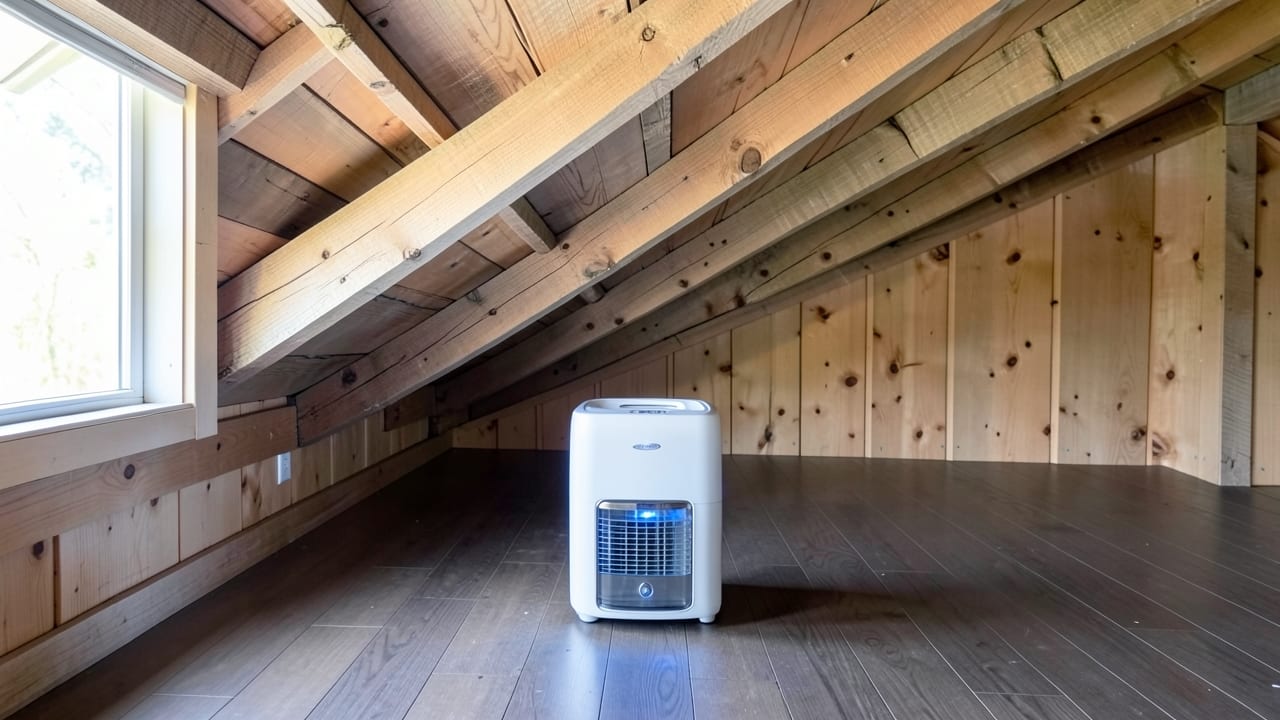
Salt Air Mold Remediation in Ellington, CT
Professional mold assessment, containment, removal, and prevention in affected areas of the home.
Learn More
Pest Infestation Mold Remediation in Ellington, CT
Professional mold removal and remediation for pest-related infestations in homes.
Learn More
Move-In Mold Assessment in Ellington, CT
Professional inspection and assessment of mold presence before moving into a property.
Learn More
Pre-Sale Mold Clearance in Ellington, CT
Pre-sale mold clearance involves inspection and testing to confirm a property is mold-free before purchase.
Learn More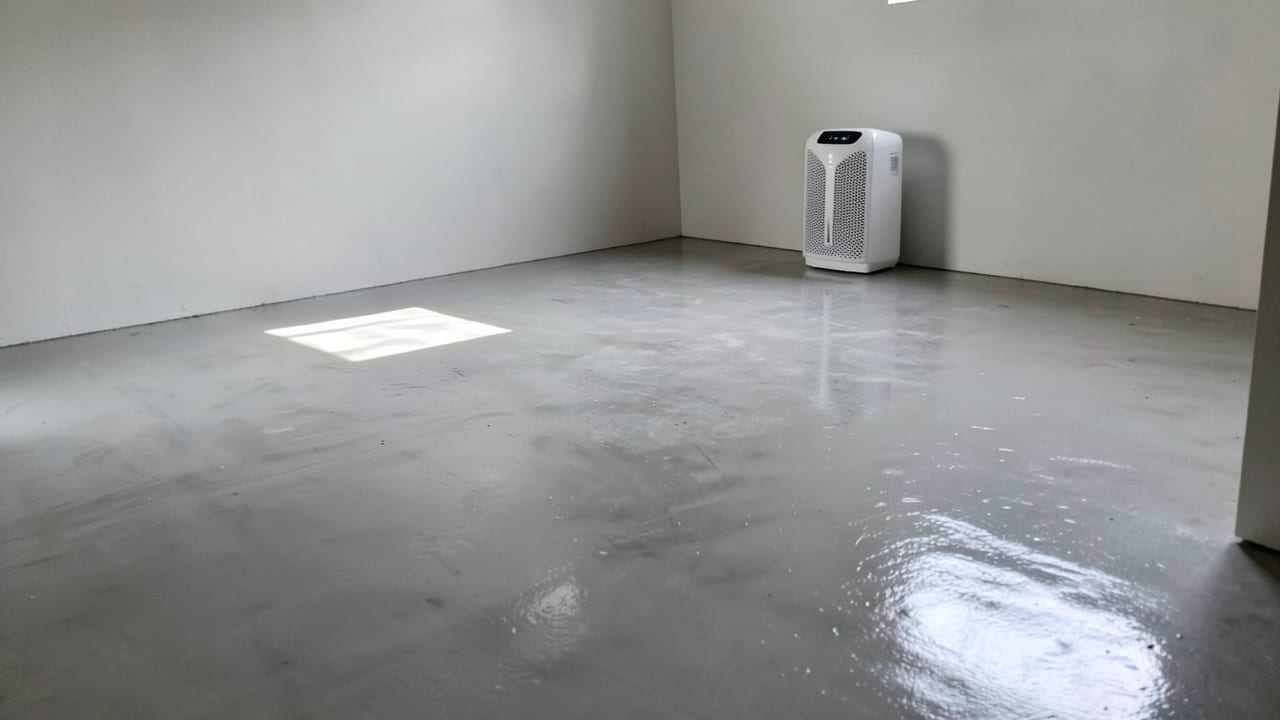
Post-Remediation Sealing in Ellington, CT
Applying protective sealants to surfaces after mold remediation to prevent future growth.
Learn More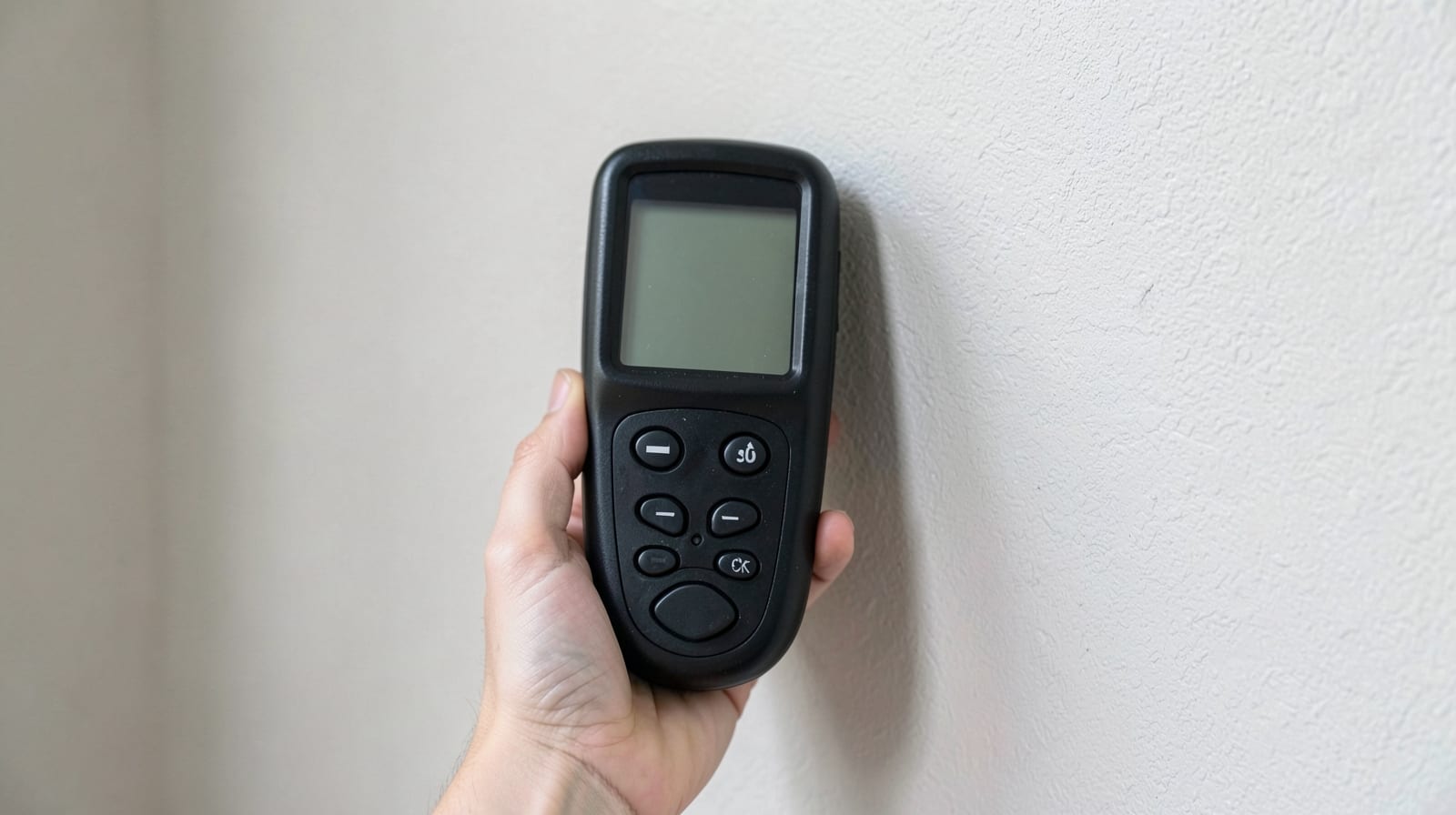
Mold Inspection in Ellington, CT
Mold inspection in Ellington, CT — a visual and moisture-meter assessment that finds the source of growth, not just the visible spot on the wall.
Learn MoreCommon Questions About Mold Remediation in Ellington
Everything you need to know about mold remediation services in Ellington
How much does Sunroom Mold Remediation typically cost in Ellington, CT?
Why does Ellington, CT's humidity make mold a bigger risk than in drier regions?
Is black mold actually more dangerous than other mold types?
How long does a typical mold remediation job take?
Is it safe to stay in the home during mold remediation?
Can small mold problems be handled without hiring anyone?
Need Mold Remediation in Ellington?
Connect with local providers in Ellington for a detailed quote.
⏰ We answer your call • Serving all of Ellington and surrounding areas