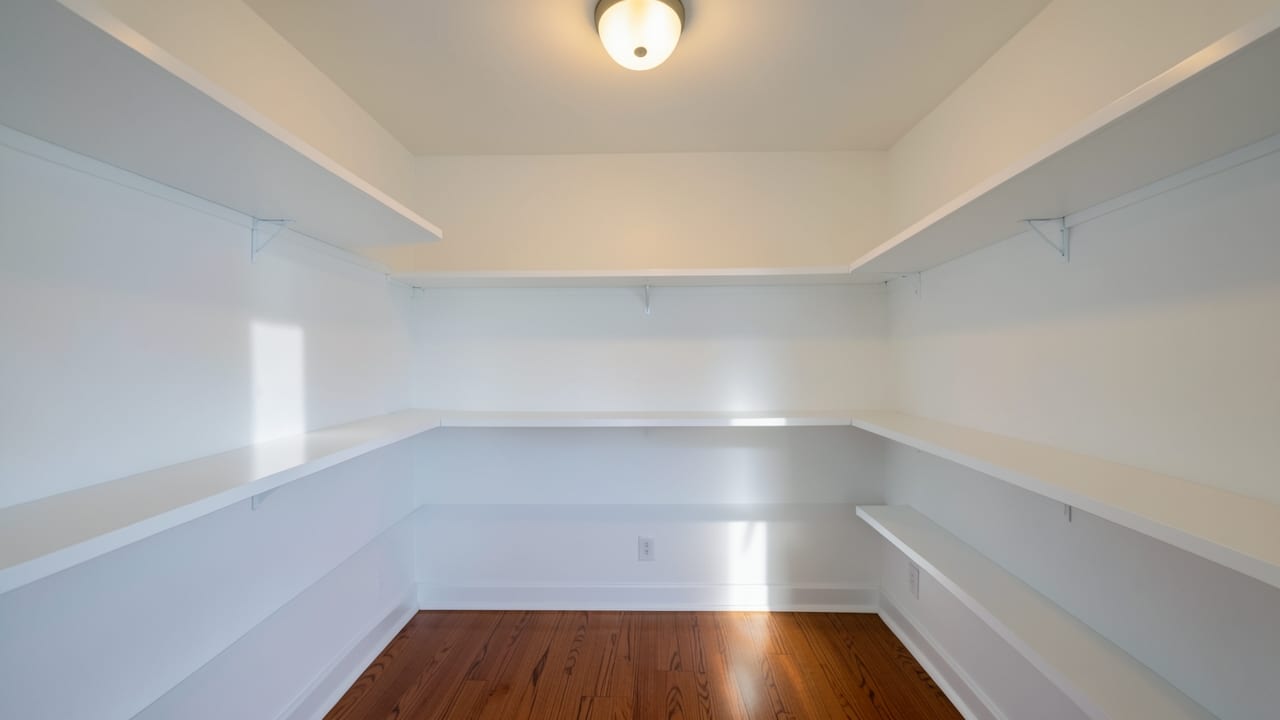
Closet Mold Cleanup
Professional cleanup and removal of mold from closets to restore safe, healthy spaces.
Closet mold cleanup in Ellington, CT, targets hidden growth behind stored items and along walls by removing contaminated materials, sealing the work area, and drying structural components to prevent recurrence. Since closets often trap moisture, addressing leaks or airflow issues is part of the process to avoid regrowth.
This service covers Ellington and nearby towns like Tolland, Stafford, and Somers, where damp conditions can worsen over time.
We also handle Sunroom Mold Remediation and Condo Mold Remediation for Ellington properties.
When closet mold needs professional help
Mold in a closet often starts small but can spread quickly if left unchecked. While wiping down shelves may help minor surface growth, larger patches—covering more than a few square feet—or mold that keeps returning after cleaning usually mean the moisture source hasn’t been addressed.
A musty smell with no visible mold often signals hidden growth, especially if the odor worsens when the HVAC runs, as spores may be circulating through ductwork or trapped in walls.
Closets with poor airflow, like those without ventilation or near exterior walls, are prone to persistent dampness. If mold appears in the same spot repeatedly or spreads to stored items, professional remediation is the safest approach.
Connecticut law requires contractors performing mold work to register as home improvement professionals, ensuring compliance with state safety standards.
Signs Professional Mold Cleanup Is Needed
- Mold covers more than a small, isolated patch (typically over 25 square feet of contiguous growth).
- Cleaning the same spot multiple times doesn’t stop regrowth—indicating an unresolved moisture issue.
- A musty smell persists even after visible mold is removed, suggesting hidden growth in walls or under flooring.
- Mold has spread to stored items (clothes, boxes, or paper goods), which often need disposal rather than cleaning.
What affects the cost and timeline?
The size of the affected area and the type of materials involved—such as drywall, insulation, or carpet padding—directly impact pricing. Porous materials like drywall or insulation are typically removed and replaced rather than cleaned, while non-porous surfaces like tile or metal framing can be treated on-site.
Hidden mold behind walls or under flooring may require additional demolition and reconstruction, extending both time and cost.
Containment, HEPA filtration, and clearance testing are standard steps that ensure spores don’t spread during remediation. Skipping these can lead to incomplete results, but they’re factored into most quotes. Pricing also varies based on whether black mold (Stachybotrys) is confirmed, which often requires more extensive treatment.
What happens after remediation?
Once mold is removed, fixing the moisture source—such as repairing leaks, improving ventilation, or adjusting humidity—is critical to preventing recurrence. Closets with stagnant air may benefit from a small fan or dehumidifier even after cleanup.
Monitoring humidity levels in the first year helps catch early regrowth before it spreads. Connecticut’s Department of Public Health recommends following the IICRC S520 standard, though compliance isn’t legally enforced.
A post-remediation clearance test, conducted by an independent lab, verifies that spore levels are back to normal before containment is removed. Without this step, there’s no way to confirm whether the job fully resolved the issue.
Some homeowners choose to retest periodically, especially in high-risk areas like basements or windowless closets.
Closets with poor airflow or persistent dampness often need long-term solutions like dehumidifiers or exhaust fans. Outdoor grading issues (like soil sloping toward the foundation) can also reintroduce moisture—addressing these helps the finish last longer.
How closet mold cleanup works
- 1Containment Setup
Plastic sheeting and negative-air machines seal off the closet to prevent spores from spreading during removal. All doors and vents are blocked, and airflow is directed outward to keep contaminated air from entering other rooms.
- 2Material Removal or Cleaning
Porous materials like drywall or insulation that absorb mold are cut out and bagged for disposal. Non-porous surfaces like tile, metal, or wood framing are scrubbed with antimicrobial solutions and dried thoroughly.
- 3HEPA Filtration and Drying
HEPA air scrubbers run continuously to capture airborne spores, and surfaces are vacuumed with HEPA-equipped tools. Industrial dehumidifiers and air movers dry structural components to prevent hidden moisture from fueling regrowth.
- 4Moisture Source Assessment
The crew checks for leaks, condensation, or grading issues that may have caused the mold. Fixing these problems is essential to stopping future growth, though it’s not always part of the initial remediation scope.
- 5Clearance Testing
An independent lab tests air or surface samples after cleanup to confirm spore levels are within normal ranges. This step ensures the job is complete before containment is removed and the closet is restored.
Frequently asked questions
Can I clean closet mold myself if it’s just a small patch?
Small, isolated patches (under 25 square feet) can sometimes be cleaned with vinegar, detergent, or a commercial mold killer, but only if the surface is non-porous. Porous materials like drywall or insulation must be removed, as mold penetrates deeply. If the mold keeps returning, professional help is needed to address the moisture source.
Will my stored clothes or items be salvageable after mold cleanup?
Non-porous items like metal, glass, or plastic can often be cleaned and disinfected. Fabric, paper, or cardboard items usually need disposal if moldy, as spores can linger even after washing. The crew can advise on what’s safe to keep based on material and contamination level.
How long does it take to remediate a closet, and can I use it during the process?
Containment and cleanup typically take 1–3 days, depending on the size and severity. The closet must remain sealed during work, and restoration (like repainting or replacing shelves) happens afterward. You can use other parts of your home normally, but avoid entering the contained area until clearance testing is complete.
Do I need to worry about mold in my HVAC system if it’s coming from a closet?
If mold spreads through ductwork, spores can circulate to other rooms when the HVAC runs. A musty smell that worsens with the system on is a red flag. Professional remediation may include duct cleaning if hidden growth is suspected, though this isn’t always part of the initial quote.
See Tariffville, CT for more, or discover our full Ellington-area coverage in detail for our complete lineup.
Ready to get started?
Talk to a local mold remediation pro in Ellington — get a written quote.
Other Mold Remediation Services in Ellington

Sunroom Mold Remediation in Ellington, CT
Professional removal and treatment of mold in sunrooms to restore a safe, clean space.
Learn More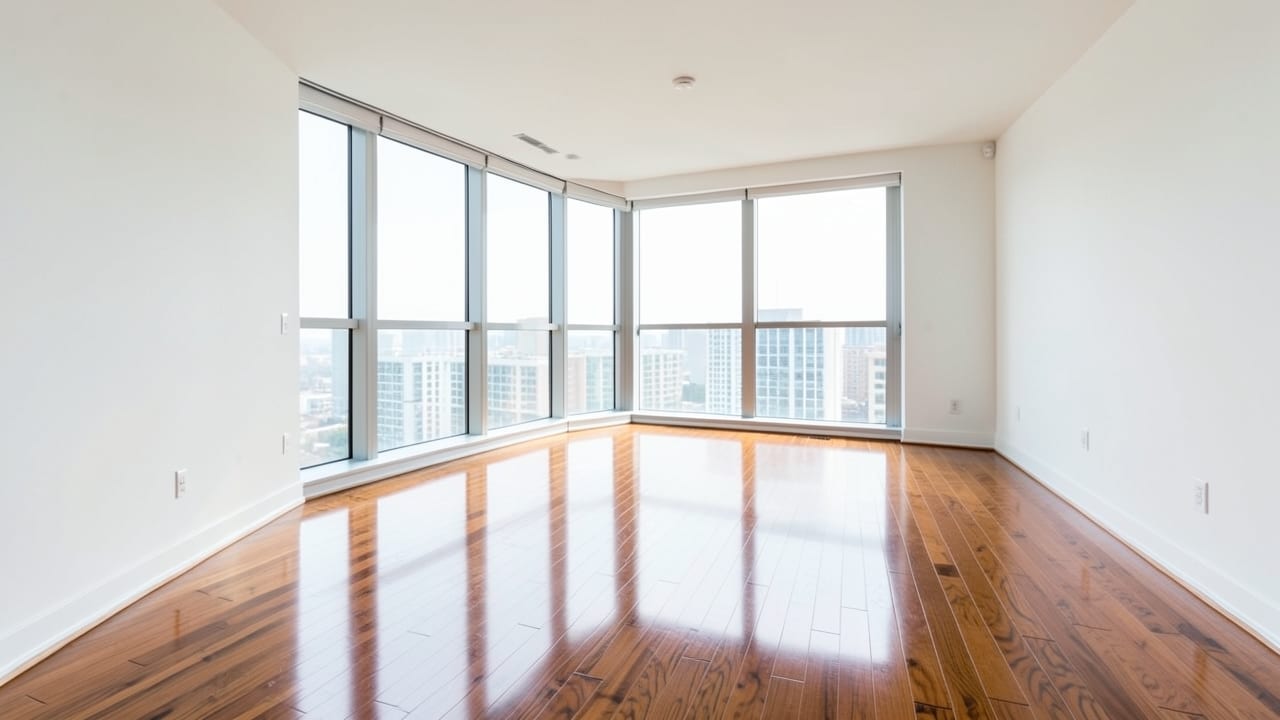
Condo Mold Remediation in Ellington, CT
Professional removal and treatment of mold in condominiums to restore safe, healthy living spaces.
Learn More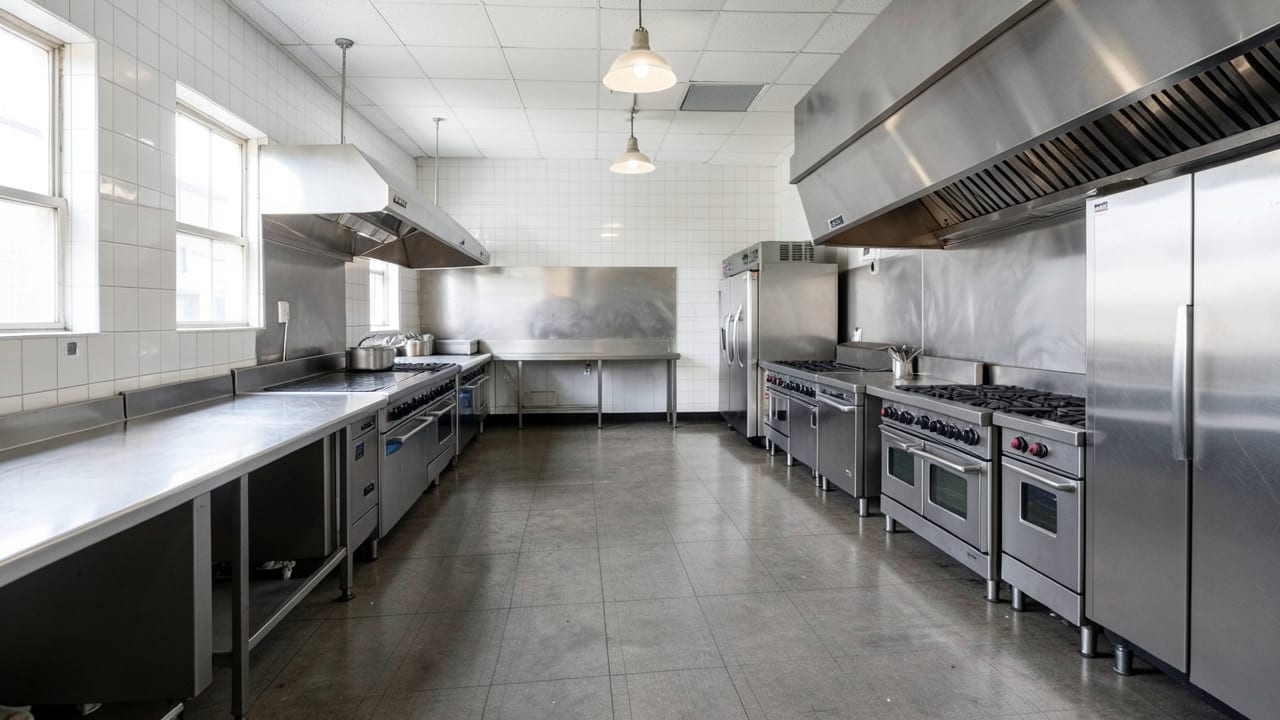
Restaurant Mold Remediation in Ellington, CT
Professional mold removal and remediation for restaurant spaces to ensure safety and compliance.
Learn More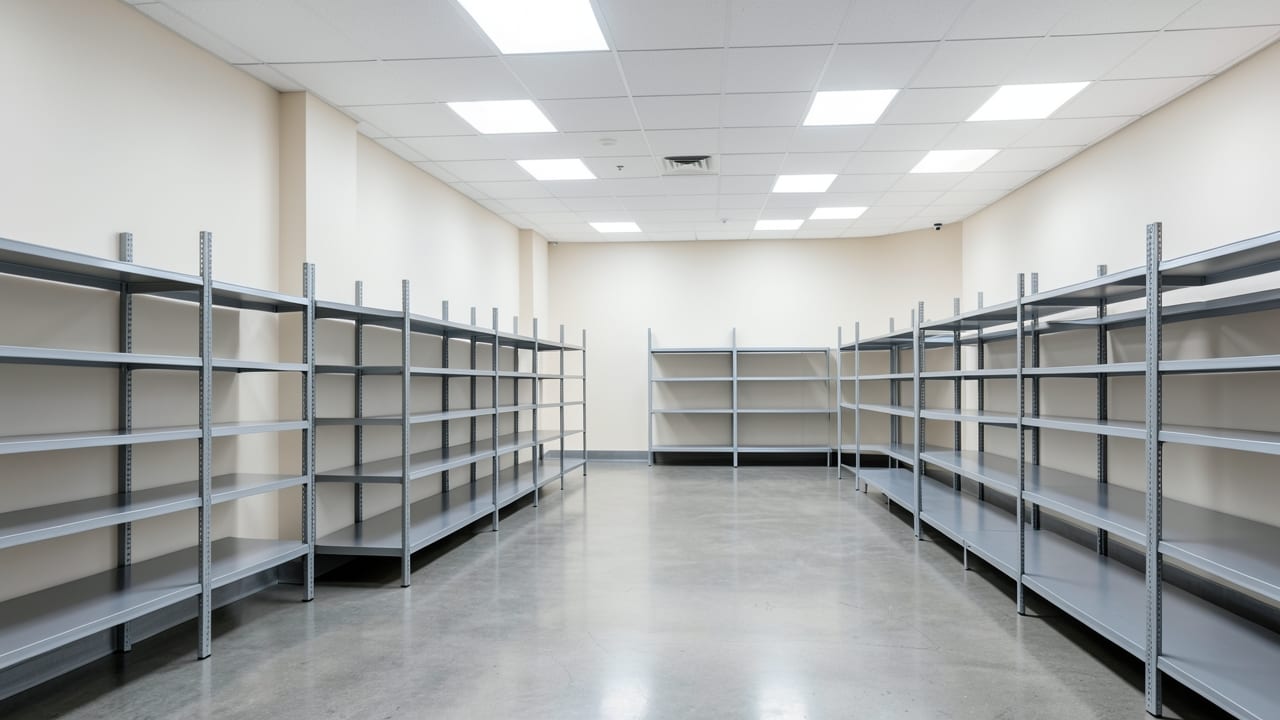
Retail Store Mold Remediation in Ellington, CT
Professional mold removal and remediation for retail stores to restore safe, clean environments.
Learn More
Clinic Mold Remediation in Ellington, CT
Professional mold removal and remediation to restore safe, healthy indoor spaces.
Learn More
Fire Smoke Mold Remediation in Ellington, CT
Professional cleanup and restoration of fire, smoke, and mold damage in homes.
Learn MoreCommon Questions About Mold Remediation in Ellington
Everything you need to know about mold remediation services in Ellington
How much does Closet Mold Cleanup typically cost in Ellington, CT?
Why does Ellington, CT's humidity make mold a bigger risk than in drier regions?
Does mold mean the same thing as mildew?
Does homeowners insurance typically cover mold remediation?
Is black mold actually more dangerous than other mold types?
How long does a typical mold remediation job take?
Need Mold Remediation in Ellington?
Connect with local providers in Ellington for a detailed quote.
⏰ We answer your call • Serving all of Ellington and surrounding areas