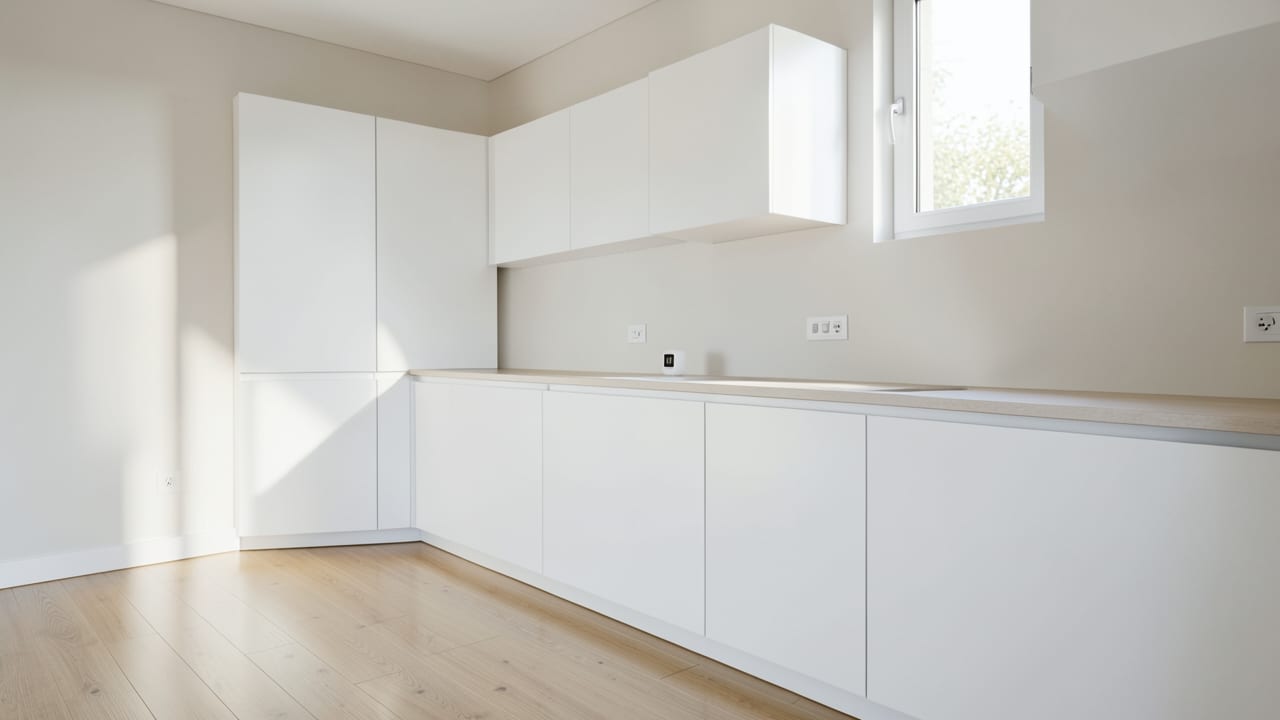
Move-In Mold Assessment
Professional inspection and assessment of mold presence before moving into a property.
Moving into a new home in Ellington, CT, without knowing whether mold is present can lead to hidden health risks and costly repairs.
A move-in mold assessment identifies visible and hidden growth before you settle in, using visual inspections, moisture detection, and lab-tested samples to map contamination and diagnose its source. This service helps you understand what’s present and why, so you can address it before it becomes a larger issue.
We also handle Roof Leak Mold Remediation and Apartment Mold Remediation for Ellington properties.
When to request a move-in mold assessment
Mold often goes unnoticed until it’s already established, but certain signs indicate it’s time to schedule an assessment. A persistent musty or earthy smell in closets, bathrooms, or crawl spaces—especially one that doesn’t fade with ventilation—is a common red flag.
Visible mold, appearing as black, green, or brown speckles on walls, grout, or window frames, is another clear indicator. Even if you don’t see or smell anything, past leaks or floods that weren’t professionally inspected may hide trapped moisture and mold behind surfaces.
Symptoms like frequent headaches, itchy eyes, or sneezing that improve when you leave a specific room can also suggest mold exposure. These signs don’t confirm mold, but they justify a closer look.
An assessment is designed to answer whether mold is present, where it’s growing, and how to stop it from returning.
Signs a Move-In Mold Assessment Is Needed
- A musty or earthy odor in a specific area that won’t go away with normal airing out.
- Visible mold growth (black, green, brown, or dark speckles) on walls, ceilings, grout, or window frames.
- A history of leaks or floods that were cleaned up but never professionally inspected for hidden moisture.
- Health symptoms (sneezing, headaches, itchy eyes) that ease when you avoid a particular room.
- Condensation or dampness on windows, pipes, or walls that doesn’t dry within 24 hours.
What the assessment covers—and what it doesn’t
A move-in mold assessment includes a thorough walkthrough to spot visible growth, a moisture inspection to find hidden dampness, and lab-tested samples to identify spore counts and species.
The inspector will trace moisture back to its source—whether it’s a roof leak, plumbing issue, or poor ventilation—because addressing the root cause is critical to preventing recurrence. The results are documented in a written scope report, which outlines affected areas, square footage, and recommendations for remediation.
The assessment does not include fixing leaks, removing mold, or sealing affected materials. It also doesn’t replace ongoing maintenance, like monitoring humidity levels or fixing small leaks promptly.
Think of it as a diagnostic tool: it tells you what’s wrong and why, so you can make informed decisions about next steps.
| Included in the Assessment | Not Included |
|---|---|
| Visual inspection for visible mold growth and staining | Removal or remediation of mold |
| Moisture detection using meters and thermal imaging (where available) | Repairing leaks or structural damage |
| Air and surface sampling from suspect areas + one control room | Post-remediation clearance testing |
| Lab analysis of samples by an independent, accredited laboratory | Ongoing humidity or leak monitoring |
| Written scope report detailing findings and recommendations | Fixing ventilation or grading issues |
How pricing and timing work
The cost of a move-in mold assessment in Ellington typically ranges from $270 to $370, depending on the size of the home and the extent of the inspection. This price covers the walkthrough, moisture checks, sampling, and lab analysis.
Pricing does not include remediation or additional testing, such as clearance checks after mold removal. Timing varies: the on-site inspection usually takes 1–3 hours, while lab results take 2–5 business days to return.
Factors that can influence the final cost include the number of rooms inspected, whether thermal imaging is used, and whether extra samples are needed. Always ask for a written scope of work before proceeding, as this clarifies what’s included and helps compare quotes fairly.
How a move-in mold assessment works
This step-by-step process identifies mold growth, traces moisture sources, and provides a clear picture of what needs attention.
- 1Visual and Moisture Inspection
A trained inspector examines every accessible area—walls, ceilings, basements, and HVAC systems—for visible mold, staining, or musty odors. They use a moisture meter and, where available, thermal imaging to detect hidden dampness in cavities, subfloors, and roof lines that aren’t visible to the naked eye.
- 2Sample Collection
If the source of mold isn’t obvious, the inspector collects spore-trap air samples and surface swabs from suspect areas, plus one unaffected room as a control. This allows lab results to be compared against a baseline, ensuring accuracy. Tools are never reused across rooms to prevent cross-contamination.
- 3Independent Lab Analysis
Samples are sent to a third-party accredited lab for species identification and spore concentration testing. Results typically return in 2–5 business days and include a comparison to the control sample, clarifying whether mold levels are elevated.
- 4Moisture Source Diagnosis
The inspector traces moisture back to its origin—whether it’s a roof leak, plumbing issue, poor grading, or condensation. Identifying the source is essential because addressing it helps prevent mold from returning after remediation.
- 5Written Scope Report
Findings are compiled into a detailed report describing affected materials, the likely moisture source, and the square footage involved. This document serves as a roadmap for remediation contractors and, in some cases, is required by law before work begins.
Frequently asked questions
Can mold grow in my home even if I don’t see or smell it?
Yes. Mold often establishes itself in hidden areas—behind walls, under flooring, or inside HVAC systems—before becoming visible or producing a musty odor. A move-in assessment uses moisture detection tools and lab testing to identify these hidden issues before they worsen.
What happens if the assessment finds mold? Do I have to remove it immediately?
Finding mold doesn’t mean it needs immediate removal. The assessment provides a clear scope of the problem and its source, allowing you to prioritize based on severity. Addressing the moisture source first is often the most effective way to prevent recurrence, while remediation can be planned accordingly.
Will the assessment tell me what type of mold is present?
Yes. Lab analysis identifies the species and spore concentration, though some molds look similar. The report distinguishes between common household molds and those that may require specialized handling, helping you understand the next steps.
How can I prevent mold from coming back after the assessment?
Controlling indoor humidity (keeping it under 50%), fixing leaks promptly, and improving ventilation—especially in bathrooms and basements—are the most effective ways to reduce mold risk. Regular checks for dampness or condensation also help catch issues early.
See Stafford, CT for more, or see the mold remediation work we do around Ellington in detail for our complete lineup.
Ready to get started?
Talk to a local mold remediation pro in Ellington — get a written quote.
Other Mold Remediation Services in Ellington
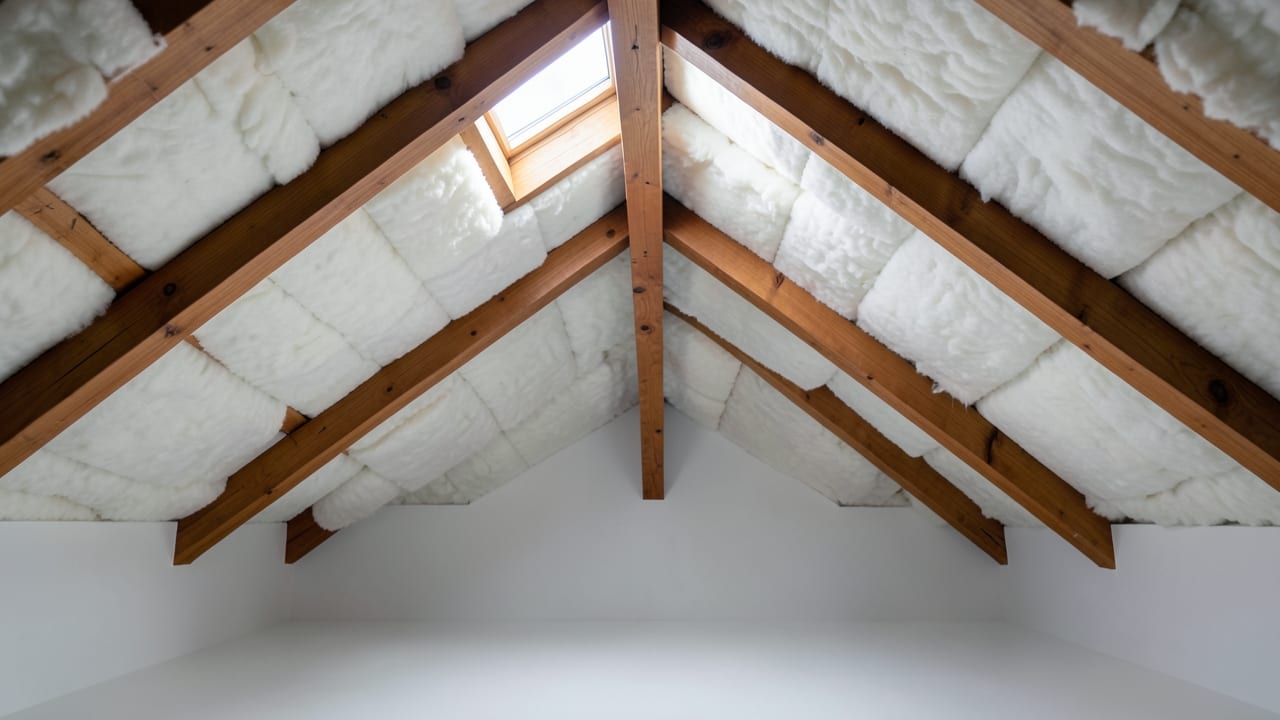
Roof Leak Mold Remediation in Ellington, CT
Professional removal of mold caused by roof leaks to restore a safe, healthy home environment.
Learn More
Apartment Mold Remediation in Ellington, CT
Professional mold removal and remediation for apartments to restore safe living conditions.
Learn More
Warehouse Mold Cleanup in Ellington, CT
Professional removal of mold from warehouse spaces to restore safe, clean conditions.
Learn More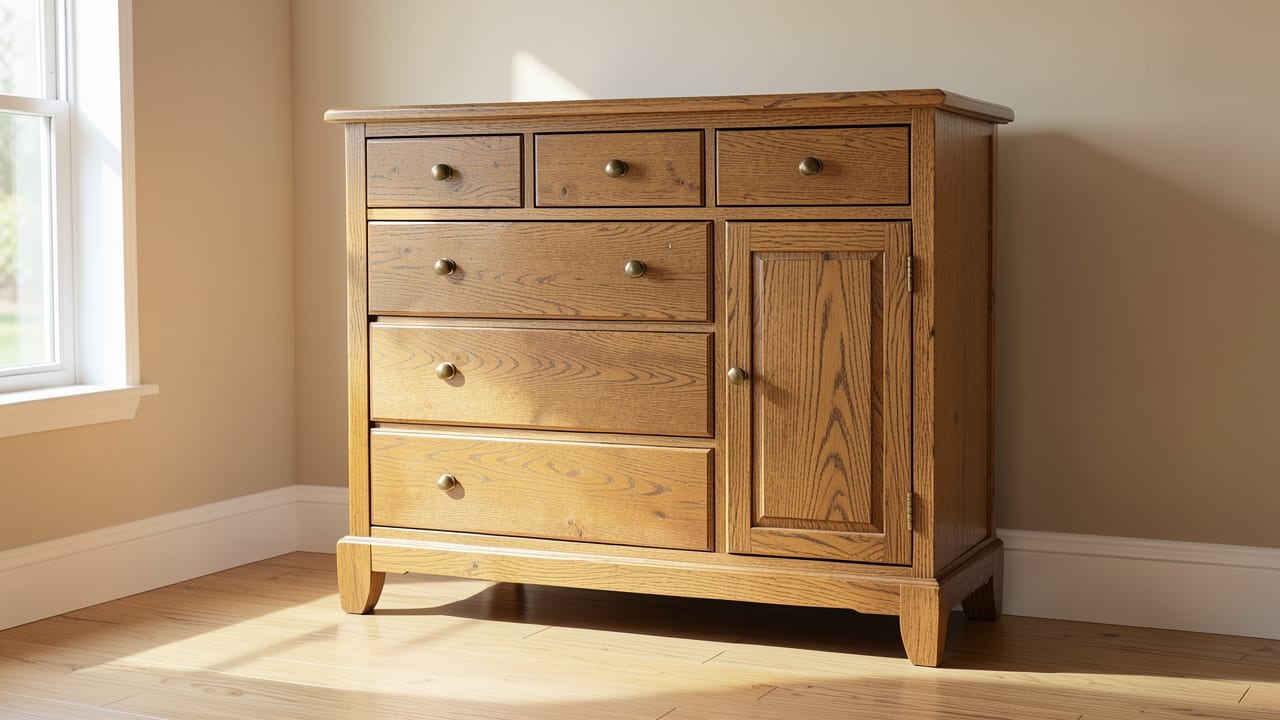
Wood Furniture Mold Remediation in Ellington, CT
Professional removal and treatment of mold from wood furniture to restore safety and appearance.
Learn More
Tile & Grout Mold Cleanup in Ellington, CT
Professional removal of mold from tile and grout surfaces in bathrooms, kitchens, and other tiled areas.
Learn More
Vinyl Flooring Mold Treatment in Ellington, CT
Professional mold treatment and removal for vinyl flooring in homes.
Learn MoreCommon Questions About Mold Remediation in Ellington
Everything you need to know about mold remediation services in Ellington
How much does Move-In Mold Assessment typically cost in Ellington, CT?
Why does Ellington, CT's humidity make mold a bigger risk than in drier regions?
Can mold growing inside HVAC ductwork spread to the rest of a home?
Does mold mean the same thing as mildew?
Does homeowners insurance typically cover mold remediation?
Is black mold actually more dangerous than other mold types?
Need Mold Remediation in Ellington?
Connect with local providers in Ellington for a detailed quote.
⏰ We answer your call • Serving all of Ellington and surrounding areas