
Clinic Mold Remediation
Professional mold removal and remediation to restore safe, healthy indoor spaces.
Clinic Mold Remediation in Ellington, CT specializes in addressing mold growth in homes by containing, removing, and preventing regrowth. Trained technicians identify affected areas, safely eliminate spores, and treat surfaces to inhibit future mold development, ensuring a thorough cleanup process tailored to residential properties.
When mold remediation is needed
Mold growth often starts small but can quickly become a larger problem if left unaddressed. In Ellington homes, signs that mold remediation is needed include patches larger than 25 square feet, recurring growth after cleaning, or a persistent musty smell with no visible source.
We also handle Warehouse Mold Cleanup and Wood Furniture Mold Remediation for Ellington properties.
These indicators suggest the issue may be hidden or tied to an unresolved moisture problem.
A musty odor that intensifies when the HVAC system runs may signal mold growth inside ductwork or walls. Rooms with poor airflow, like windowless bathrooms or basements, are also prone to hidden mold.
If you notice any of these signs, professional remediation is typically the safest and most effective next step.
Signs Mold Remediation Is Needed
- Mold covering more than 25 contiguous square feet (a common threshold for professional intervention)
- Recurring mold growth in the same spot after cleaning attempts
- A musty smell with no visible mold, especially when HVAC runs or in poorly ventilated areas
- Visible mold in areas with persistent dampness, such as basements, bathrooms, or behind walls
What affects the cost and timeline?
The cost and duration of mold remediation depend on factors like the size of the affected area, the type of materials involved, and whether hidden moisture sources need addressing. Larger infestations or those requiring structural drying and containment will naturally take longer and cost more than smaller, surface-level issues.
Additional steps like clearance testing, which uses independent air or surface sampling to confirm spore levels are safe, may also impact the timeline. Proper containment and HEPA filtration during removal help ensure spores don’t spread, but these measures add time and cost to the process.
Why containment and testing matter
During remediation, containment is critical to prevent spores from spreading to unaffected areas. Plastic sheeting and negative-air machines seal the work zone, while HEPA air scrubbers and vacuums capture spores instead of recirculating them. Skipping these steps can turn a contained job into a larger, more expensive problem.
Clearance testing after remediation ensures the space is safe before containment is removed. Without this step, there’s no independent confirmation that spore levels are back to normal. In Connecticut, while not required by law, following the IICRC S520 standard is recommended for thorough remediation.
Tears in plastic sheeting, open doors, or improper negative air pressure can let spores drift into clean areas, turning a small job into a larger one. Always ensure proper containment is maintained during removal.
How mold remediation works
Professional mold remediation follows a structured process to safely remove growth and prevent recurrence.
- 1Containment Setup
Plastic sheeting and negative-air machines seal the affected area to prevent spores from spreading during removal. This step is critical for keeping contamination localized.
- 2Material Removal or Cleaning
Porous materials like drywall or carpet padding, which absorb mold, are typically cut out and bagged. Non-porous surfaces like tile or framing are scrubbed and treated to inhibit regrowth.
- 3HEPA Filtration and Drying
HEPA air scrubbers run continuously to capture airborne spores, and surfaces are vacuumed with HEPA-filtered equipment. Industrial dehumidifiers and air movers dry structural materials to prevent future mold.
- 4Clearance Testing
An independent lab tests air or surfaces post-remediation to confirm spore levels are safe. This step ensures the work meets standard benchmarks before containment is removed.
Frequently asked questions
Can I handle small mold patches myself, or should I call a professional?
Small, isolated patches (under 25 square feet) can often be cleaned with household products, but larger or recurring growth usually requires professional remediation. Hidden mold or moisture issues may not be visible, so if you’re unsure, consulting a specialist is safer.
What causes mold to keep coming back after remediation?
Regrowth often happens when the original moisture source—like a leak or poor ventilation—isn’t fixed. Treating only the visible mold without addressing the root cause leaves materials vulnerable to future growth.
How do I know if my HVAC system has mold inside the ducts?
A musty smell that worsens when the HVAC runs or visible mold near vents are strong indicators. Professional duct cleaning and inspection are typically needed to confirm and remediate hidden ductwork mold.
Is clearance testing really necessary after remediation?
Yes, clearance testing provides independent verification that spore levels are safe. Without it, there’s no way to confirm whether the remediation fully resolved the issue.
See East Windsor, CT for more, or discover the mold remediation work we do around Ellington across the area for our complete lineup.
Ready to get started?
Talk to a local mold remediation pro in Ellington — get a written quote.
Other Mold Remediation Services in Ellington
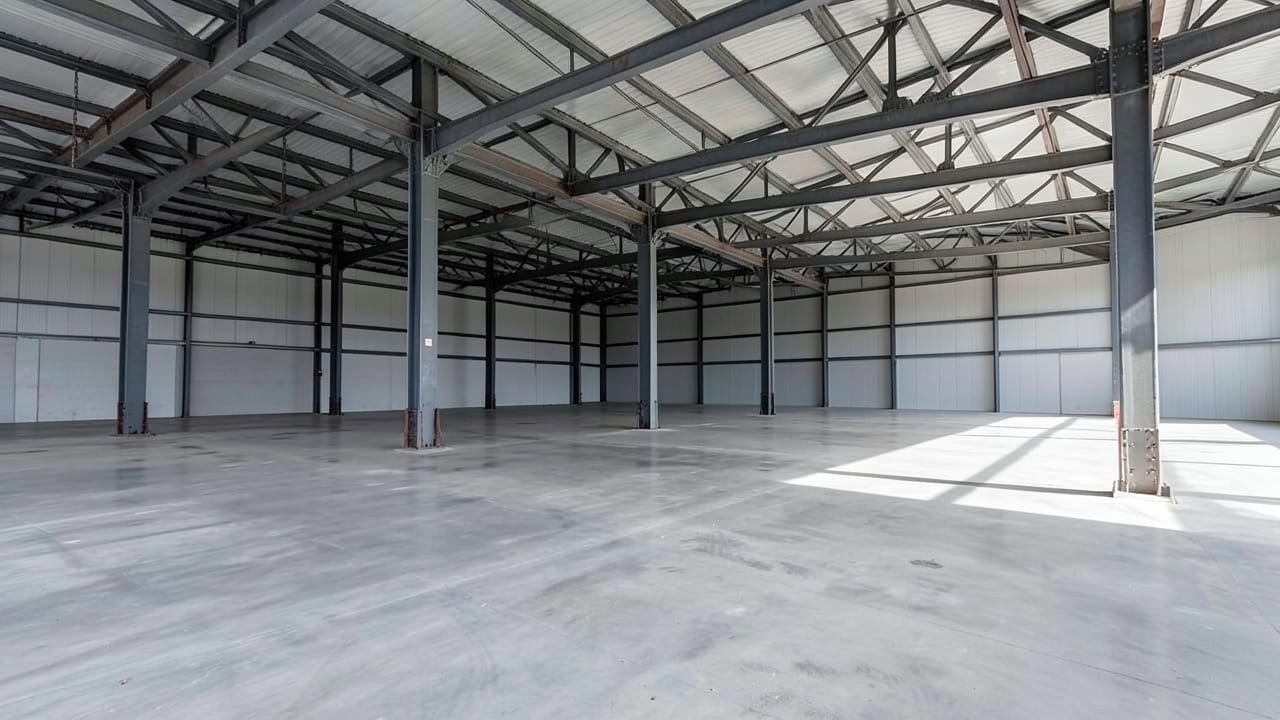
Warehouse Mold Cleanup in Ellington, CT
Professional removal of mold from warehouse spaces to restore safe, clean conditions.
Learn More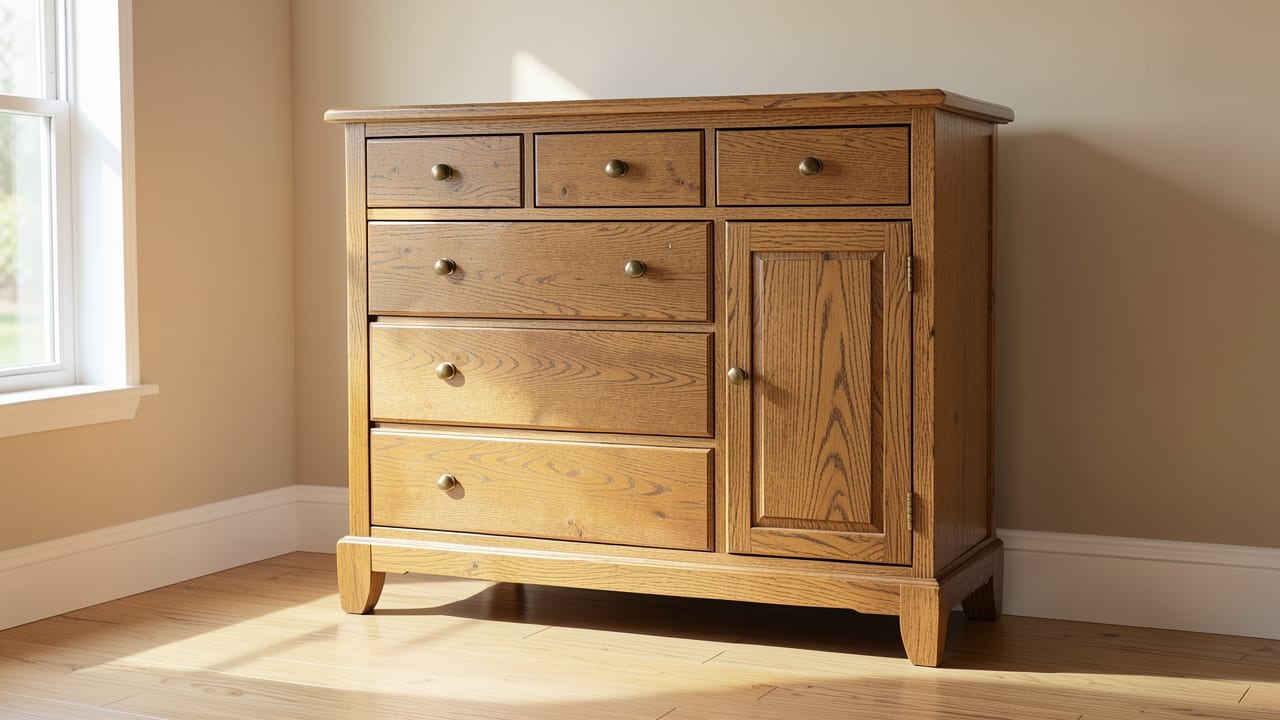
Wood Furniture Mold Remediation in Ellington, CT
Professional removal and treatment of mold from wood furniture to restore safety and appearance.
Learn More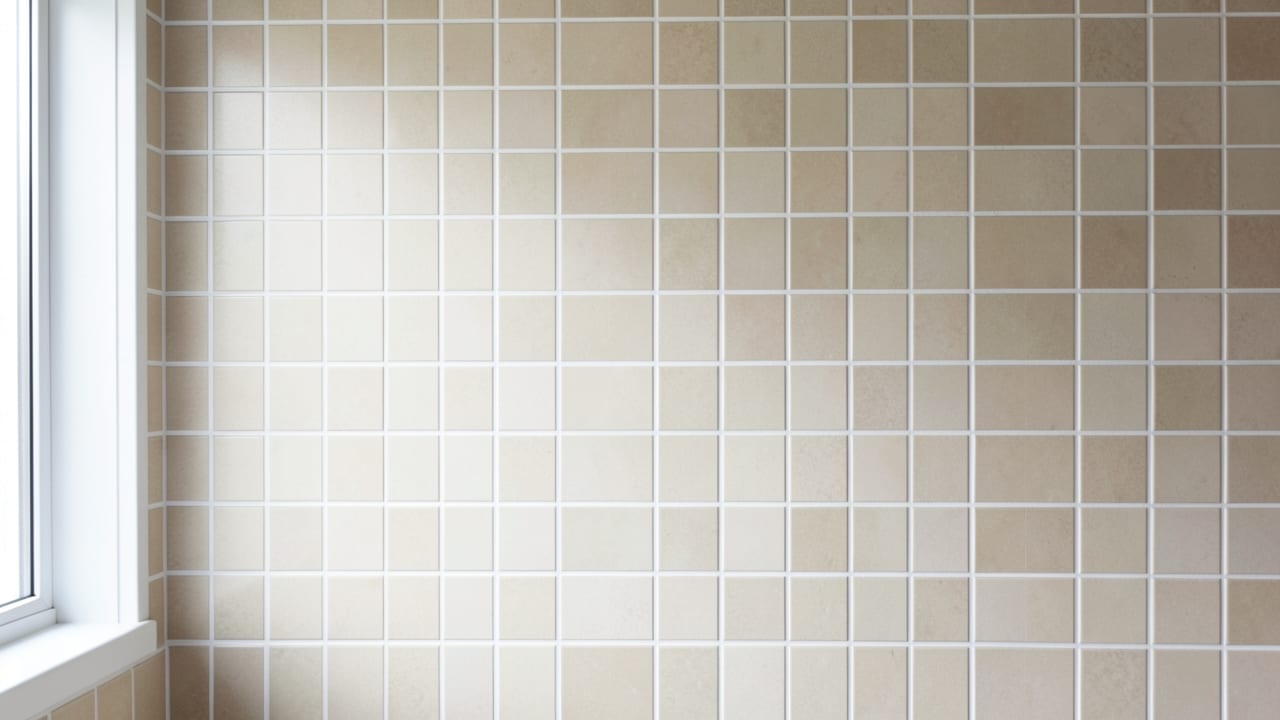
Tile & Grout Mold Cleanup in Ellington, CT
Professional removal of mold from tile and grout surfaces in bathrooms, kitchens, and other tiled areas.
Learn More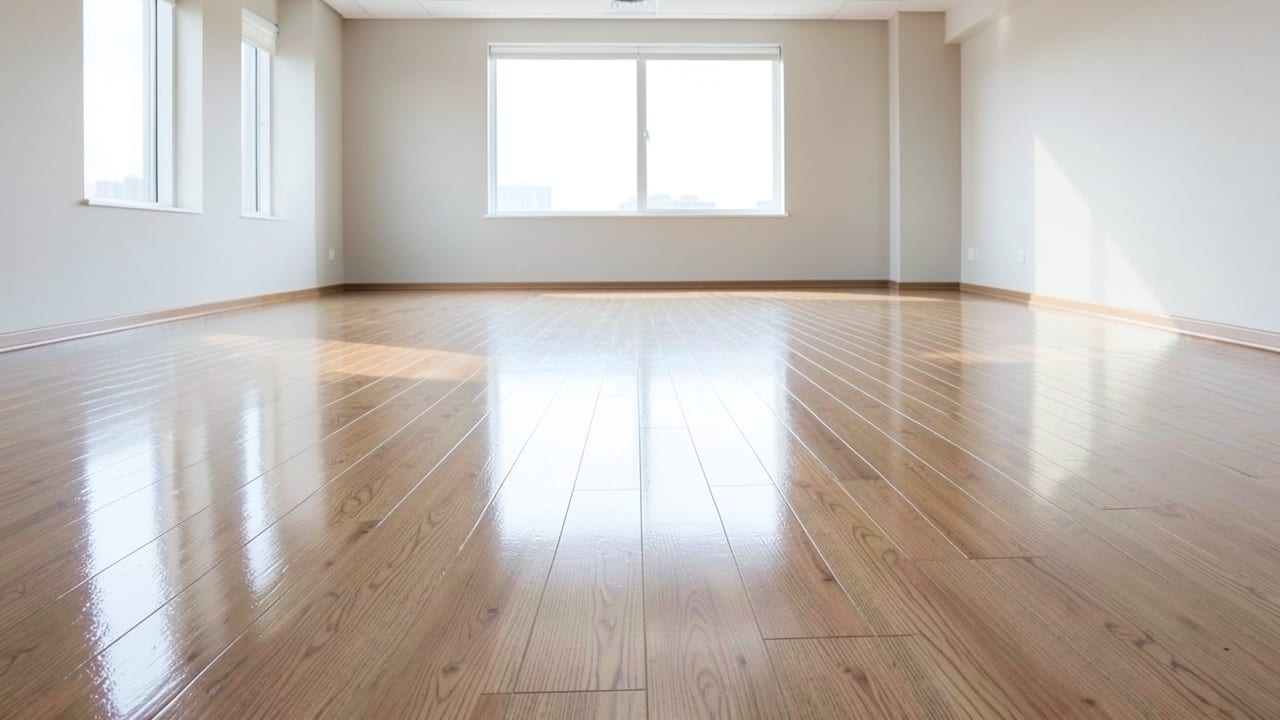
Vinyl Flooring Mold Treatment in Ellington, CT
Professional mold treatment and removal for vinyl flooring in homes.
Learn More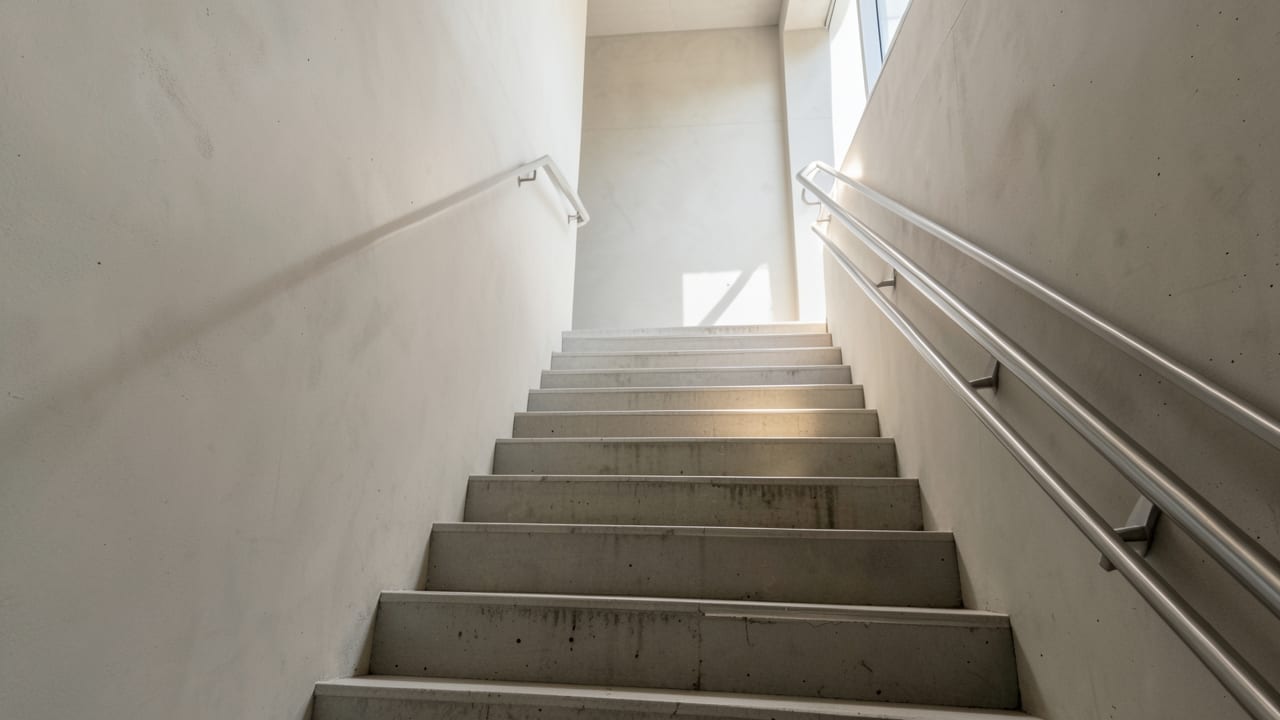
Stairwell Mold Remediation in Ellington, CT
Professional mold removal and prevention in stairwells to restore safe, clean spaces.
Learn More
Balcony Mold Cleanup in Ellington, CT
Professional removal and treatment of mold growth on balconies and adjacent structures.
Learn MoreCommon Questions About Mold Remediation in Ellington
Everything you need to know about mold remediation services in Ellington
How much does Clinic Mold Remediation typically cost in Ellington, CT?
Why does Ellington, CT's humidity make mold a bigger risk than in drier regions?
How long does a typical mold remediation job take?
Is it safe to stay in the home during mold remediation?
Can small mold problems be handled without hiring anyone?
What's the actual difference between mold removal and mold remediation?
Need Mold Remediation in Ellington?
Connect with local providers in Ellington for a detailed quote.
⏰ We answer your call • Serving all of Ellington and surrounding areas