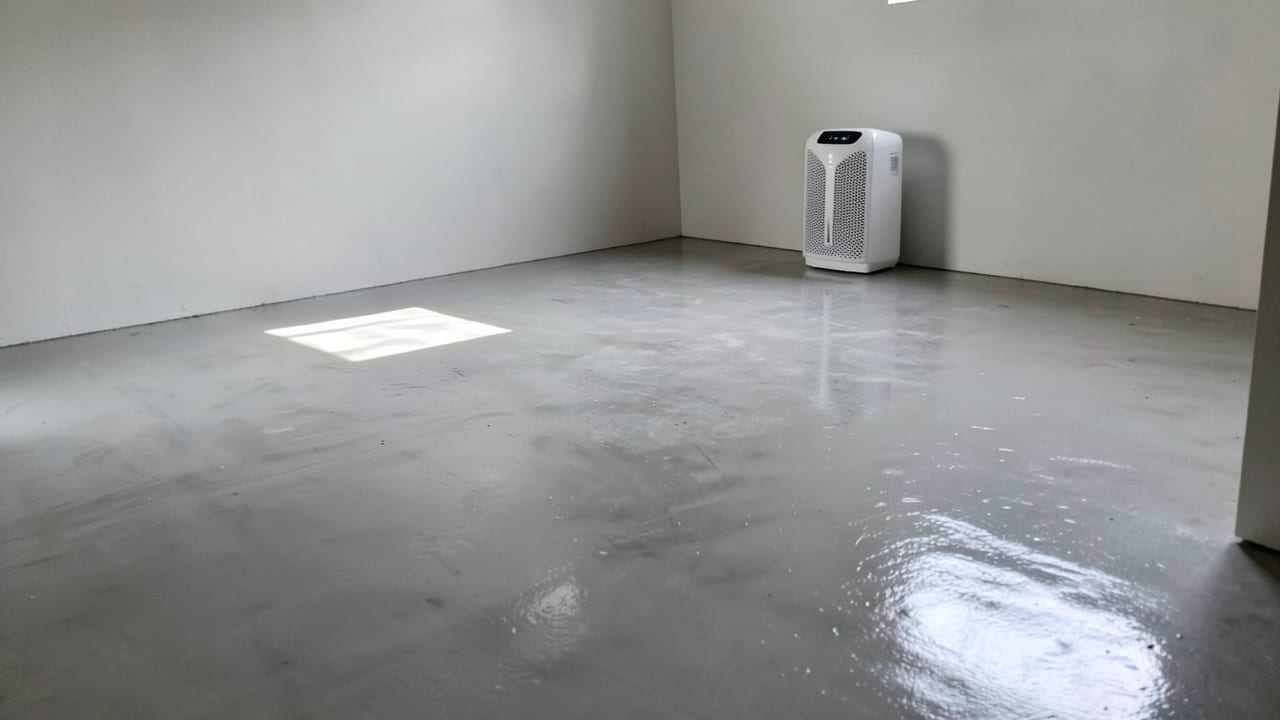
Post-Remediation Sealing
Applying protective sealants to surfaces after mold remediation to prevent future growth.
In Ellington, CT, post-remediation sealing helps protect your home after mold removal by applying specialized coatings to treated surfaces. This step creates a barrier against moisture, reducing the risk of future growth and ensuring the integrity of your home’s structure and air quality.
Proper sealing is especially important in damp-prone areas like basements, bathrooms, and attics.
We also handle Drywall Mold Remediation and Concrete Mold Remediation for Ellington properties.
When is sealing needed?
Post-remediation sealing is typically recommended after mold has been removed from porous materials like drywall, insulation, or carpet padding. It’s also critical if mold keeps returning in the same spot, as this often signals an unresolved moisture issue.
Sealing helps prevent regrowth by blocking moisture absorption and creating a physical barrier.
Signs you may need sealing include visible mold covering more than a small patch (especially over 25 square feet), a musty smell with no visible mold, or mold that reappears after cleanup. These indicators suggest the problem is deeper than surface-level growth and requires professional intervention to address properly.
Signs You Need Post-Remediation Sealing
- Mold covers more than 25 square feet in a single area (a common threshold for professional remediation).
- Mold keeps returning in the same spot after cleaning, suggesting the moisture source wasn’t fixed.
- A musty smell persists even after visible mold is removed, often indicating hidden growth.
- The affected area is in a persistently damp space, like a basement, windowless bathroom, or closet with poor airflow.
What affects pricing?
The cost of post-remediation sealing depends on the size of the treated area, the type of sealant used, and the condition of the surfaces being sealed. Basic vapor barriers are less expensive than full encapsulation, which may be needed for high-risk areas like basements or crawl spaces.
Additional factors include whether the work requires containment setup, structural drying, or clearance testing. These steps are often priced separately, so it’s important to confirm what’s included in any estimate you receive.
What to watch for in a quote
Not all quotes for post-remediation sealing are created equal. Some may exclude critical steps like containment, clearance testing, or fixing the moisture source—leaving your home vulnerable to regrowth. Always ask whether the estimate includes inspection, testing, remediation, and confirmation that the work was effective.
Avoid quotes that lack a written scope of work, pressure you to sign immediately, or don’t specify the square footage being treated. These red flags can lead to unexpected costs or incomplete solutions down the line.
A bid that’s dramatically lower than others for the same square footage may skip containment or testing. Full payment requested upfront removes leverage if the job isn’t completed as promised. No mention of clearance testing means there’s no independent confirmation the remediation worked.
How post-remediation sealing works
This process involves applying protective coatings to surfaces after mold has been removed to prevent future growth.
- 1Surface Preparation
All treated surfaces are cleaned and dried to ensure the sealant adheres properly. Porous materials that absorbed mold are typically replaced rather than sealed.
- 2Sealant Application
A specialized coating is applied to non-porous surfaces like framing, subfloors, or walls. This creates a moisture-resistant barrier that helps inhibit mold regrowth.
- 3Containment and Testing
If containment was used during remediation, it is removed only after clearance testing confirms spore levels are back to normal. This step ensures the sealing was effective.
- 4Moisture Source Fix
While not part of sealing, addressing leaks, condensation, or poor airflow is critical to prevent mold from returning. A dehumidifier or fan may be recommended for persistently damp areas.
Frequently asked questions
How do I know if my home needs post-remediation sealing?
If mold covered more than a small area, keeps coming back after cleaning, or you notice a musty smell with no visible growth, sealing is likely needed. These signs suggest deeper moisture issues that require professional treatment.
Can I seal mold-damaged areas myself?
DIY sealing is not recommended for mold remediation, as improper application can trap moisture and worsen the problem. Professional sealing ensures the coating is applied correctly and paired with proper containment and testing.
What happens if I skip sealing after mold removal?
Skipping sealing leaves treated surfaces vulnerable to moisture, increasing the risk of mold regrowth. Without a barrier, even small amounts of dampness can lead to new colonies forming over time.
How long does post-remediation sealing last?
The durability of sealing depends on the quality of the coating and whether the moisture source was fixed. In ideal conditions, it can last for years, but periodic checks are recommended to ensure the barrier remains intact.
See Tariffville, CT for more, or check out how our Ellington crew can help step by step for our complete lineup.
Ready to get started?
Talk to a local mold remediation pro in Ellington — get a written quote.
Other Mold Remediation Services in Ellington
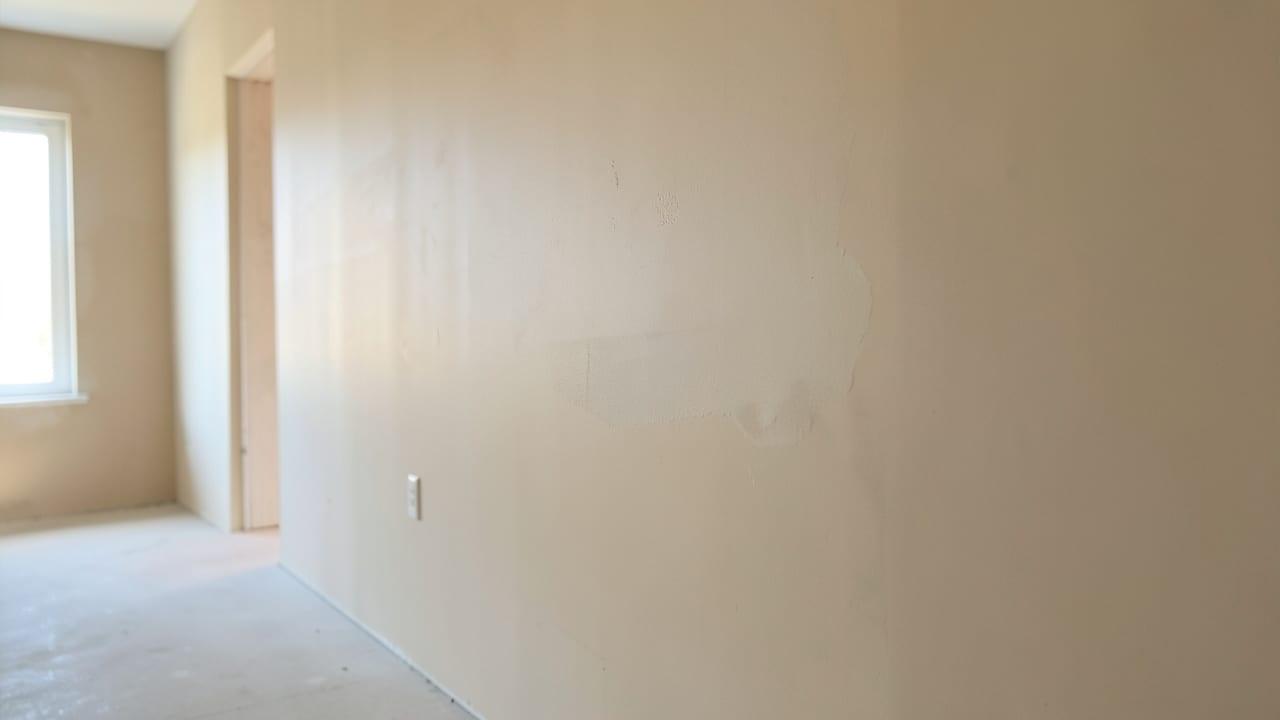
Drywall Mold Remediation in Ellington, CT
Professional removal and treatment of mold growth behind or on drywall surfaces.
Learn More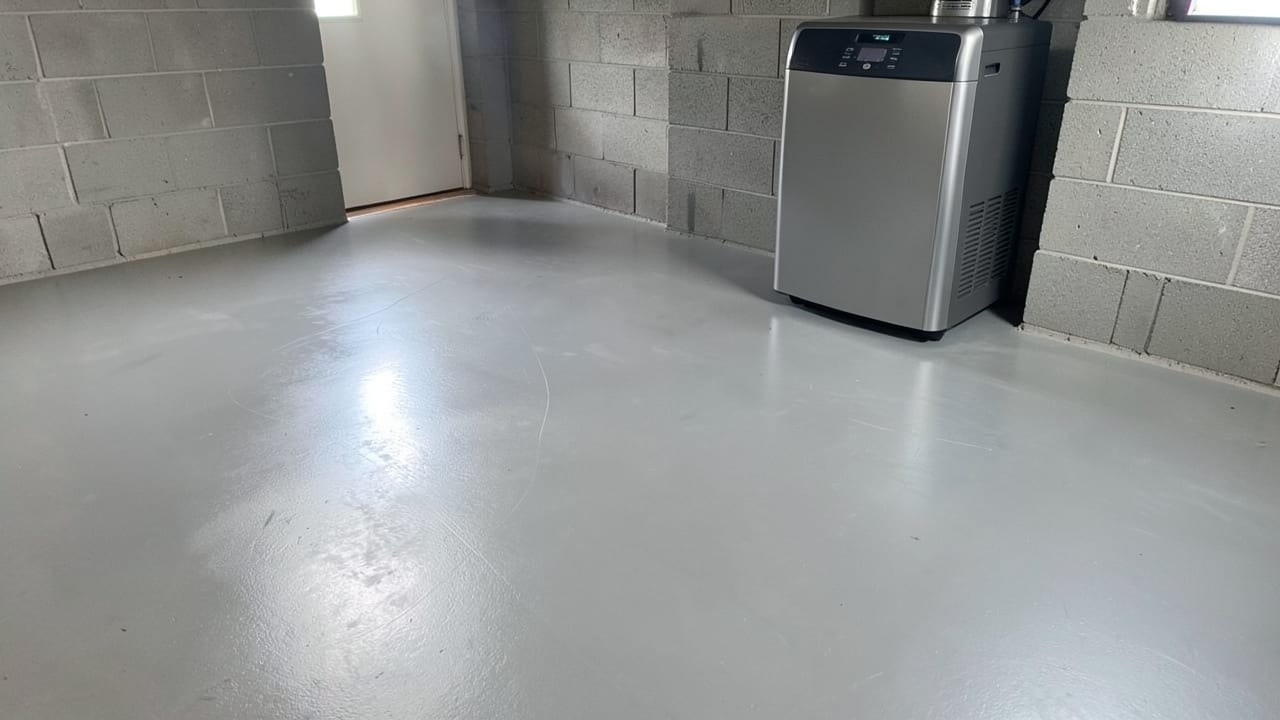
Concrete Mold Remediation in Ellington, CT
Professional removal and treatment of mold from concrete surfaces in homes.
Learn More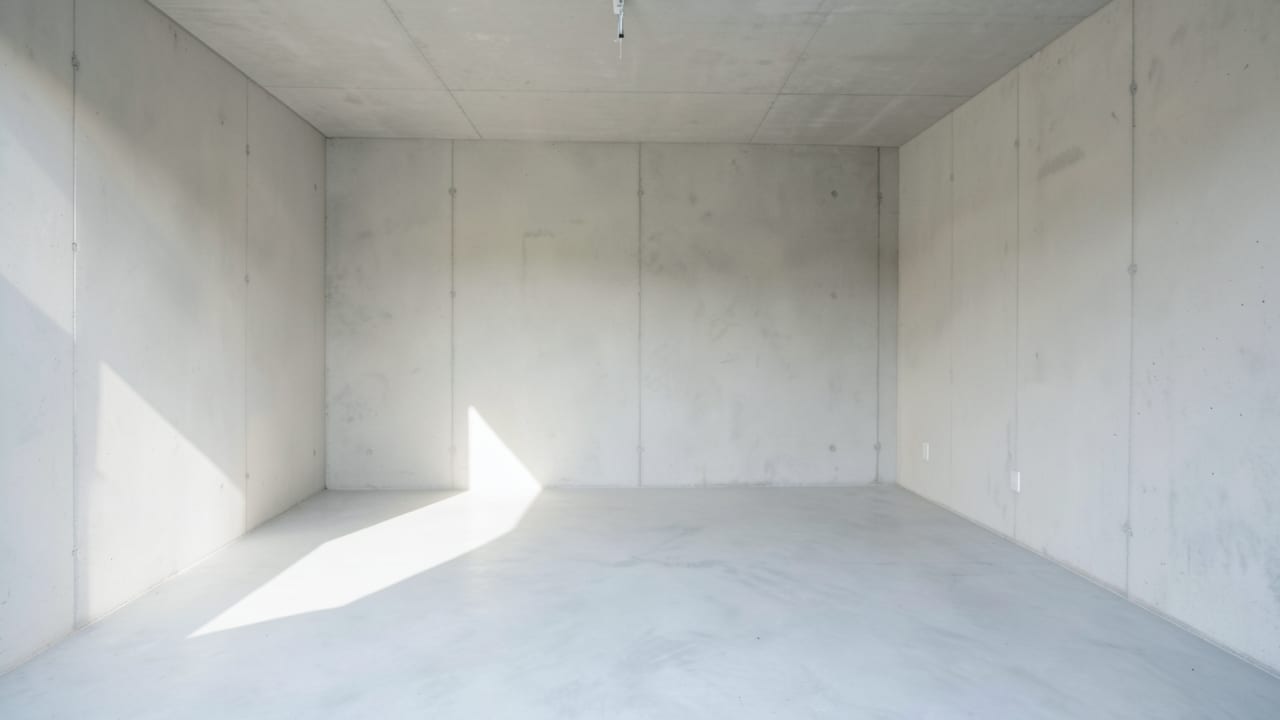
Garage Mold Removal in Ellington, CT
Professional assessment and removal of mold growth in garages to restore a safe, clean space.
Learn More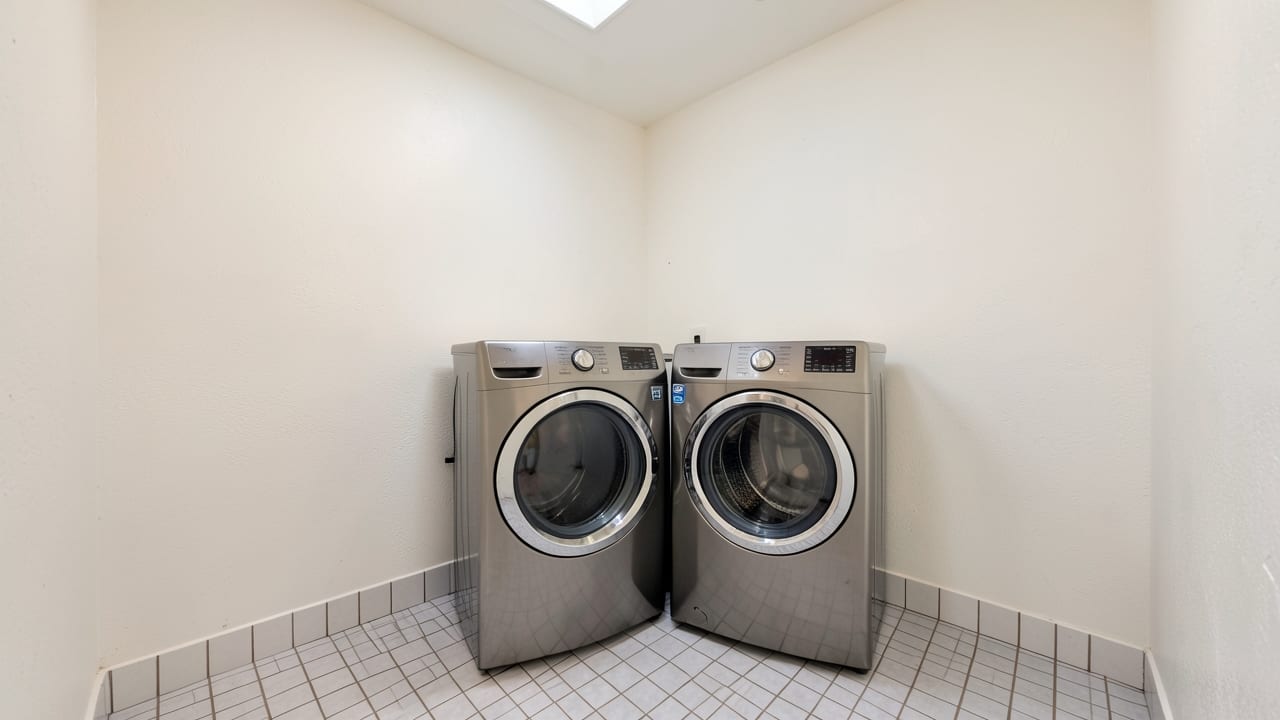
Laundry Room Mold Cleanup in Ellington, CT
Professional mold removal and remediation in laundry rooms to restore a safe, clean space.
Learn More
Plaster Mold Remediation in Ellington, CT
Professional removal and treatment of mold from plaster surfaces in homes.
Learn More
Sewer Backup Mold Cleanup in Ellington, CT
Professional cleanup of mold caused by sewer backups in homes.
Learn MoreCommon Questions About Mold Remediation in Ellington
Everything you need to know about mold remediation services in Ellington
How much does Post-Remediation Sealing typically cost in Ellington, CT?
Why does Ellington, CT's humidity make mold a bigger risk than in drier regions?
What's the actual difference between mold removal and mold remediation?
Is a final clearance test part of a typical mold remediation job?
How does mold remediation actually prevent the problem from coming back?
Can mold growing inside HVAC ductwork spread to the rest of a home?
Need Mold Remediation in Ellington?
Connect with local providers in Ellington for a detailed quote.
⏰ We answer your call • Serving all of Ellington and surrounding areas