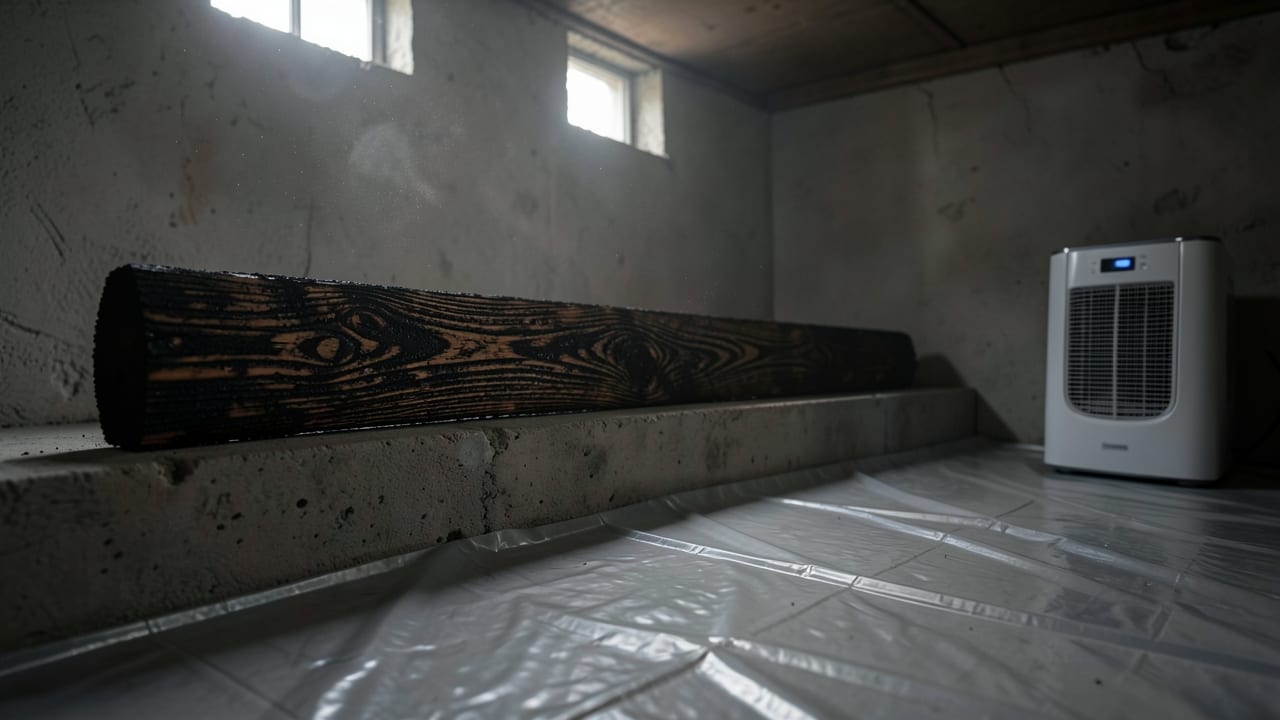
Fire Smoke Mold Remediation
Professional cleanup and restoration of fire, smoke, and mold damage in homes.
When fire, smoke, or mold damage affects your Ellington home, professional remediation restores safety and livability. Specialized crews contain the affected area, remove contaminated materials, clean surfaces, and address moisture sources to prevent regrowth. This process follows strict protocols to ensure thorough cleanup and structural integrity.
When to call for remediation
Mold or smoke damage can spread quickly if not addressed properly. In Ellington, signs that professional help is needed include mold covering more than a small patch, recurring growth after cleaning, or a persistent musty odor with no visible source.
We also handle Pest Infestation Mold Remediation and Move-In Mold Assessment for Ellington properties.
Fire damage often leaves behind hidden soot and odors that require deep cleaning to fully remove.
Hidden moisture sources—like leaks, condensation, or poor grading—can cause mold to return. A professional inspection identifies these issues before remediation begins, helping the work last longer. If you notice any of these signs, acting quickly limits further damage and reduces long-term costs.
Signs You Need Professional Remediation
- Mold covering more than 25 contiguous square feet (a common threshold for professional work)
- Recurring mold growth in the same spot after cleaning
- A musty smell with no visible mold, especially when HVAC runs
- Soot or smoke damage lingering after standard cleaning
- Water damage or persistent dampness in a room
What affects pricing and timing
The cost of fire, smoke, and mold remediation in Ellington depends on the size of the affected area, the type of damage, and whether hidden moisture sources need fixing.
Smoke and soot cleanup for a single room typically ranges from $210 to $1,280, while mold remediation varies based on containment, removal, and drying needs.
Timing depends on the scope of work. Containment and clearance testing often add days to the process, and drying structural materials can take longer than surface cleaning. A full job—including inspection, testing, and moisture source repairs—may take a week or more to complete.
What to expect during remediation
Professional remediation follows strict steps to contain, remove, and treat damage safely. Crews use plastic sheeting and negative-air machines to seal off work areas, preventing spores from spreading. Porous materials like drywall are often removed if mold has penetrated deeply, while non-porous surfaces are cleaned and treated.
After removal, industrial dehumidifiers and air movers dry structural materials to prevent regrowth. Clearance testing confirms spore levels are back to normal before containment is removed. This process ensures the home is restored to a safe condition—but only if moisture sources are addressed.
| Step | Purpose |
|---|---|
| Containment | Seals off the work area to prevent spore spread |
| Material Removal | Cuts out porous materials with deep mold penetration |
| HEPA Cleaning | Scrubs non-porous surfaces and vacuums with HEPA filters |
| Structural Drying | Uses dehumidifiers to lower moisture levels |
| Clearance Testing | Confirms spore levels are safe before finishing |
How fire, smoke, and mold remediation works
- 1Containment
Plastic sheeting and negative-air machines seal the affected area to prevent spores or soot from spreading to uncontaminated spaces.
- 2Material Removal
Porous materials like drywall or insulation with deep mold growth are cut out and bagged, while non-porous surfaces are cleaned and treated.
- 3HEPA Cleaning
All surfaces are vacuumed and scrubbed using HEPA-filtered equipment to capture spores and soot, rather than recirculating them.
- 4Structural Drying
Industrial dehumidifiers and air movers reduce moisture in framing and subfloors to prevent mold from returning.
- 5Clearance Testing
An independent lab tests air or surfaces to confirm spore levels are back to normal before the area is considered finished.
Frequently asked questions
How do I know if my mold or smoke damage needs professional remediation?
If mold covers more than a small patch, keeps coming back, or you smell it without seeing it, professional help is needed. Smoke damage that lingers after cleaning or leaves odors also requires deep remediation to fully remove soot and residue.
Will fixing the moisture source stop mold from coming back?
Yes—removing mold without fixing leaks, condensation, or poor grading often leads to regrowth. A professional inspection identifies these issues before remediation begins, helping the work last longer.
How long does the entire remediation process take?
Smaller jobs may take a few days, while larger ones—including containment, drying, and testing—can take a week or more. Structural drying and clearance testing often add extra time.
Do I need to be home during the remediation?
You may need to vacate the affected area during containment and removal, but a crew can provide details based on your specific job. Some steps, like drying, can be done while you’re home if the space is sealed off.
See Witches Woods, CT for more, or explore the rest of our Ellington lineup from start to finish for our complete lineup.
Ready to get started?
Talk to a local mold remediation pro in Ellington — get a written quote.
Other Mold Remediation Services in Ellington
Pest Infestation Mold Remediation in Ellington, CT
Professional mold removal and remediation for pest-related infestations in homes.
Learn More
Move-In Mold Assessment in Ellington, CT
Professional inspection and assessment of mold presence before moving into a property.
Learn More
Pre-Sale Mold Clearance in Ellington, CT
Pre-sale mold clearance involves inspection and testing to confirm a property is mold-free before purchase.
Learn More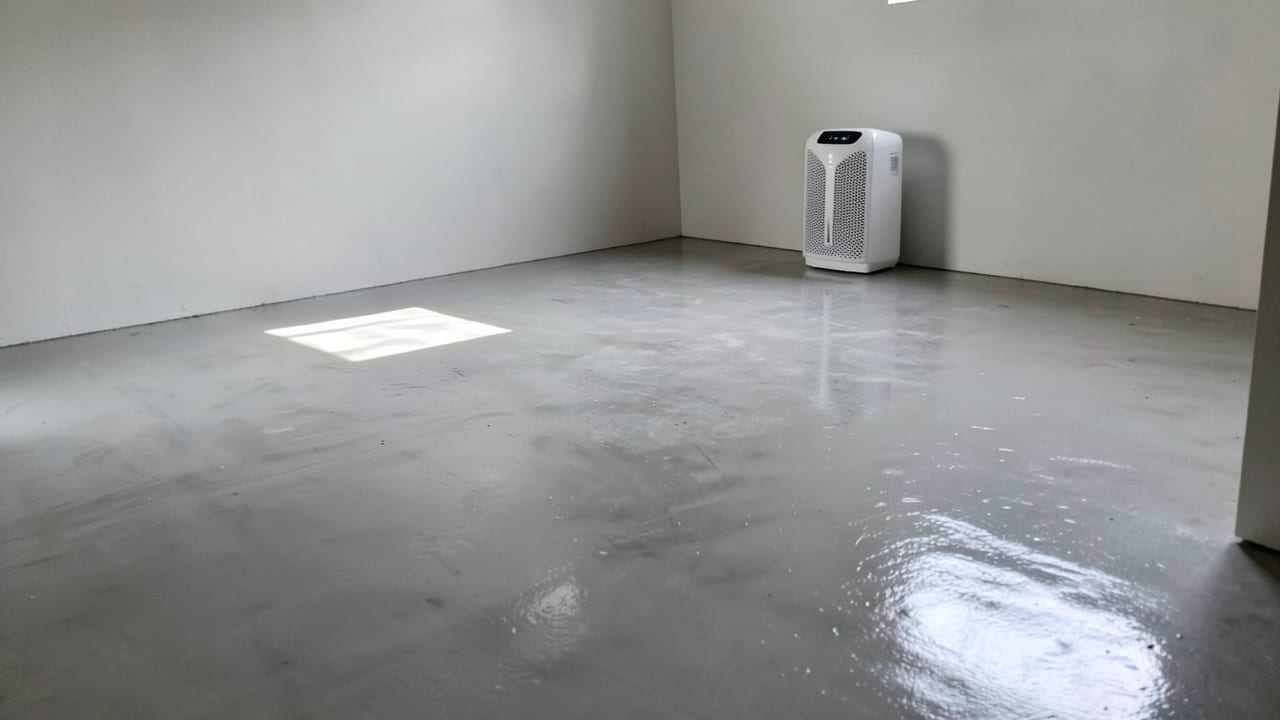
Post-Remediation Sealing in Ellington, CT
Applying protective sealants to surfaces after mold remediation to prevent future growth.
Learn More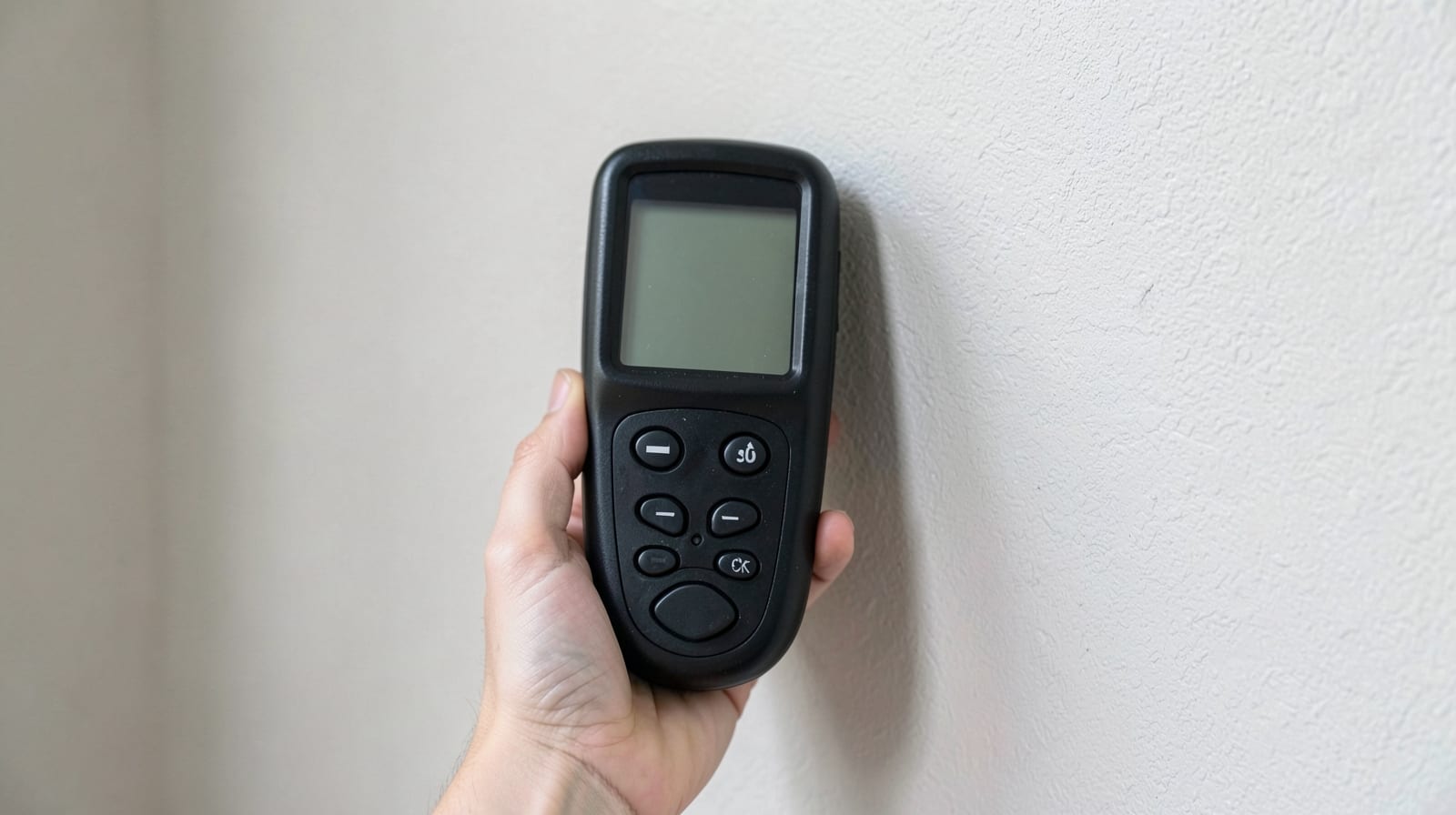
Mold Inspection in Ellington, CT
Mold inspection in Ellington, CT — a visual and moisture-meter assessment that finds the source of growth, not just the visible spot on the wall.
Learn More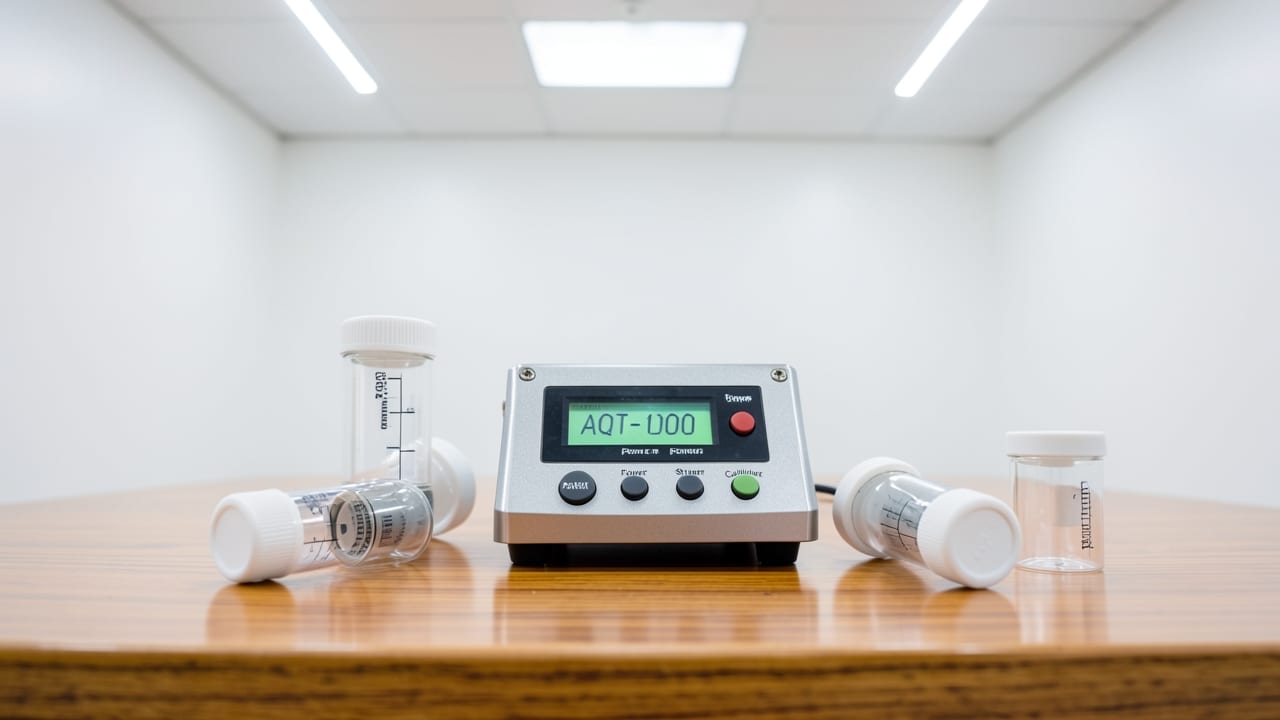
Mold Testing & Air Quality Testing in Ellington, CT
Mold and indoor air quality testing in Ellington, CT — lab-analyzed air and surface samples confirm what's actually growing and whether it's airborne.
Learn MoreCommon Questions About Mold Remediation in Ellington
Everything you need to know about mold remediation services in Ellington
How much does Fire Smoke Mold Remediation typically cost in Ellington, CT?
Why does Ellington, CT's humidity make mold a bigger risk than in drier regions?
Can small mold problems be handled without hiring anyone?
What's the actual difference between mold removal and mold remediation?
Is a final clearance test part of a typical mold remediation job?
How does mold remediation actually prevent the problem from coming back?
Need Mold Remediation in Ellington?
Connect with local providers in Ellington for a detailed quote.
⏰ We answer your call • Serving all of Ellington and surrounding areas