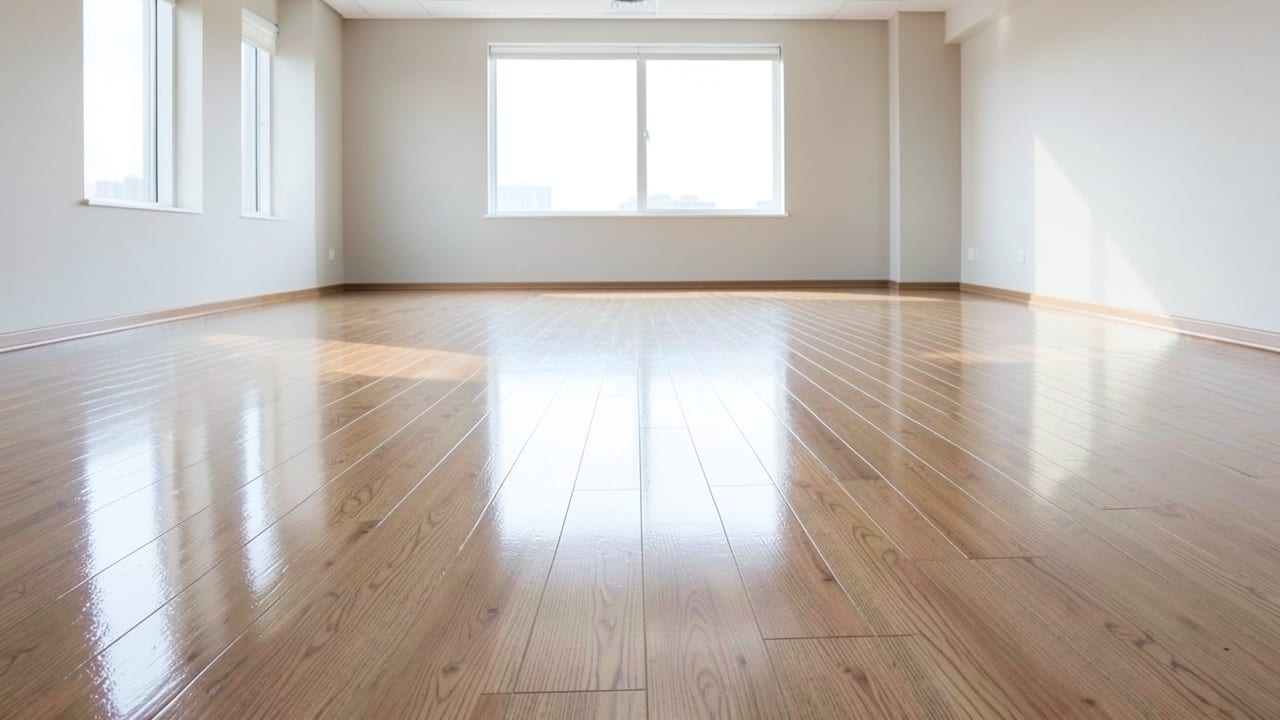
Vinyl Flooring Mold Treatment
Professional mold treatment and removal for vinyl flooring in homes.
Mold growth beneath or on vinyl flooring in Ellington, CT, requires professional treatment to prevent hidden spread and recurrence. This process includes containment, removal of affected materials, HEPA air scrubbing, structural drying, and clearance testing to ensure the space is safe.
Vinyl flooring mold treatment targets hidden moisture sources and ensures long-term results through thorough remediation practices.
We also handle HVAC Mold Remediation and Drywall Mold Remediation for Ellington properties.
When vinyl flooring mold treatment is needed
Vinyl flooring mold often goes unnoticed until it spreads beyond a small patch. Signs that professional treatment is necessary include mold covering more than 25 contiguous square feet, recurring growth after cleaning, or a persistent musty smell with no visible source.
These indicators suggest hidden moisture or contamination that requires professional intervention to address safely.
Musty odors that worsen when the HVAC system runs may signal mold hidden in ductwork or under flooring. Rooms with poor airflow, such as windowless bathrooms or basements, are especially prone to mold regrowth. If you notice these signs, prompt action helps prevent further damage and health risks.
Signs Professional Mold Treatment Is Required
- Mold growth covering more than 25 contiguous square feet (a common threshold for professional intervention).
- Recurring mold in the same spot after cleaning, indicating an unresolved moisture source.
- A musty smell with no visible mold, suggesting hidden growth in walls, under flooring, or in ductwork.
- Visible black mold (Stachybotrys), which often requires more extensive treatment due to its toxicity.
What affects pricing and scope
Pricing for vinyl flooring mold treatment in Ellington varies based on the size of the affected area, the extent of contamination, and whether hidden mold is discovered during removal. Surface-level mold on vinyl or tile typically costs less than cases involving subflooring or adhesive layers, which may require deeper remediation.
Additional factors include the need for structural drying, containment setup, and clearance testing. Confirmed black mold cases often require more time and materials, increasing the total cost. Always confirm whether an estimate includes inspection, containment, and post-treatment testing to avoid unexpected expenses.
What to watch for in a quote
Not all quotes for vinyl flooring mold treatment are created equal. A thorough estimate should detail inspection, containment, remediation, and clearance testing separately. Vague language about ‘square footage’ or missing key steps like HEPA filtration can lead to incomplete work or hidden costs later.
Red flags include bids that exclude containment or testing, pressure to sign a contract immediately, or quotes significantly lower than others for the same scope. Always ask for a written scope of work and confirm whether the contractor follows Connecticut’s Home Improvement Contractor registration requirements.
| Red Flag | Why It’s Concerning |
|---|---|
| No written scope of work provided | Lacks transparency; makes it difficult to compare bids or hold the contractor accountable. |
| Containment or clearance testing priced separately (or excluded) | Increases risk of incomplete remediation or hidden mold spread. |
| Pressure to sign the contract during the inspection visit | Legitimate scopes take time to prepare; rushing may skip critical details. |
| No mention of post-remediation clearance testing | Without testing, there’s no confirmation the mold was fully removed. |
How vinyl flooring mold treatment works
Professional treatment follows a structured process to safely remove mold and prevent recurrence.
- 1Containment Setup
Plastic sheeting and negative-air machines seal the work area to prevent mold spores from spreading to unaffected parts of the home. This step is critical for keeping spores contained during removal.
- 2Removal of Affected Materials
Porous materials like drywall or carpet padding that absorb mold are cut out and disposed of in sealed bags. Non-porous surfaces, such as vinyl flooring or tile, are scrubbed and treated to remove surface mold.
- 3HEPA Air Scrubbing and Cleanup
HEPA-filtered air scrubbers run continuously to capture airborne spores, while surfaces are vacuumed with HEPA-equipped tools. This prevents spores from recirculating into the air during cleanup.
- 4Structural Drying
Industrial dehumidifiers and air movers dry framing and subflooring to normal moisture levels. Mold regrows on damp materials, so thorough drying is essential for long-term results.
- 5Clearance Testing
An independent lab tests air or surfaces post-remediation to confirm mold spore levels are back to normal. This step ensures the treatment was effective before containment is removed.
Frequently asked questions
Can I clean mold off vinyl flooring myself, or do I need a professional?
Small, isolated patches of mold on vinyl flooring can sometimes be cleaned with vinegar or a commercial mold-killing solution. However, if the mold covers more than 25 square feet, keeps returning, or you notice a musty smell with no visible source, professional treatment is recommended to address hidden contamination safely.
How long does the vinyl flooring mold treatment process take?
The timeline depends on the size of the affected area and whether hidden mold or moisture issues are discovered. Containment, removal, drying, and testing can take anywhere from a few days to over a week, especially if structural repairs or additional drying are needed.
Will my vinyl flooring need to be replaced after mold treatment?
Non-porous vinyl flooring can often be cleaned and treated if the mold hasn’t penetrated deeply. However, if the adhesive or subflooring is severely affected, partial or full replacement may be necessary. A professional inspection determines the best course of action.
How do I prevent mold from returning after treatment?
Fixing the moisture source—such as leaks, poor ventilation, or grading issues—is the best way to prevent recurrence. Using dehumidifiers or small fans in damp rooms and monitoring humidity levels can also help maintain a dry environment.
See Hartford, CT for more, or find out about our complete Ellington service list by service type for our complete lineup.
Ready to get started?
Talk to a local mold remediation pro in Ellington — get a written quote.
Other Mold Remediation Services in Ellington
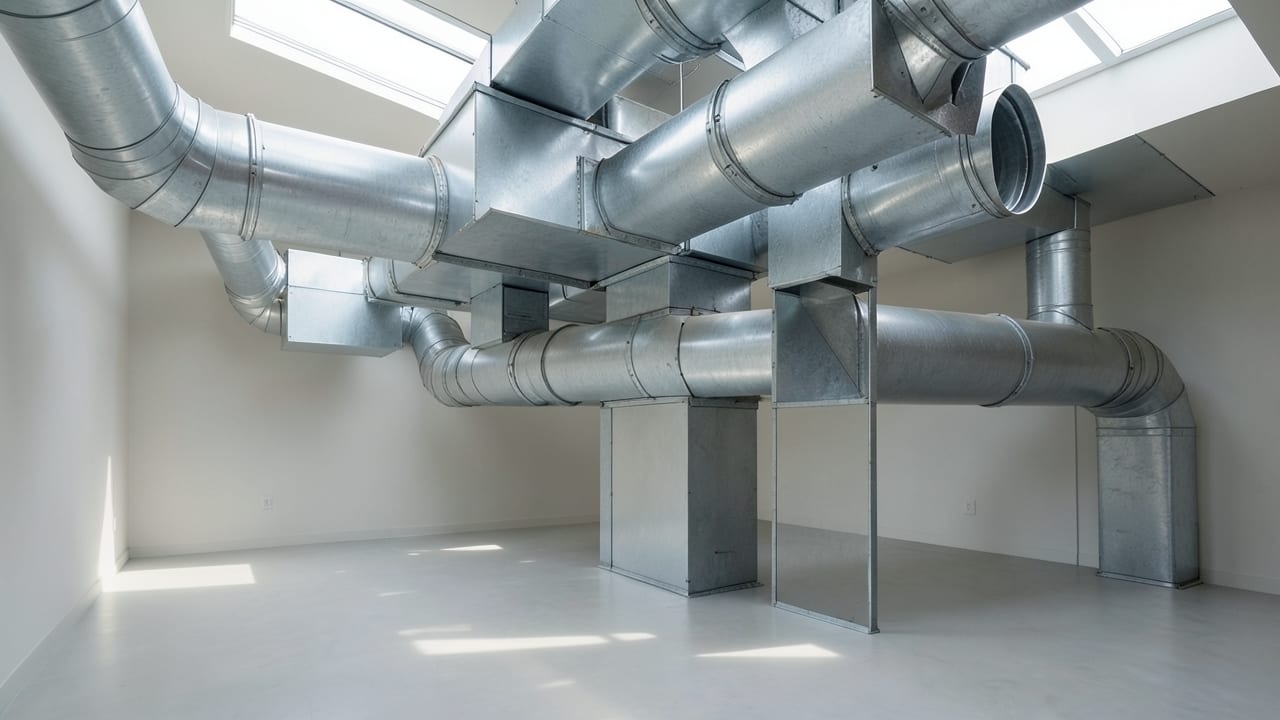
HVAC Mold Remediation in Ellington, CT
HVAC and ductwork mold remediation in Ellington, CT — mold growing inside the air handler or duct system, spreading through every vent.
Learn More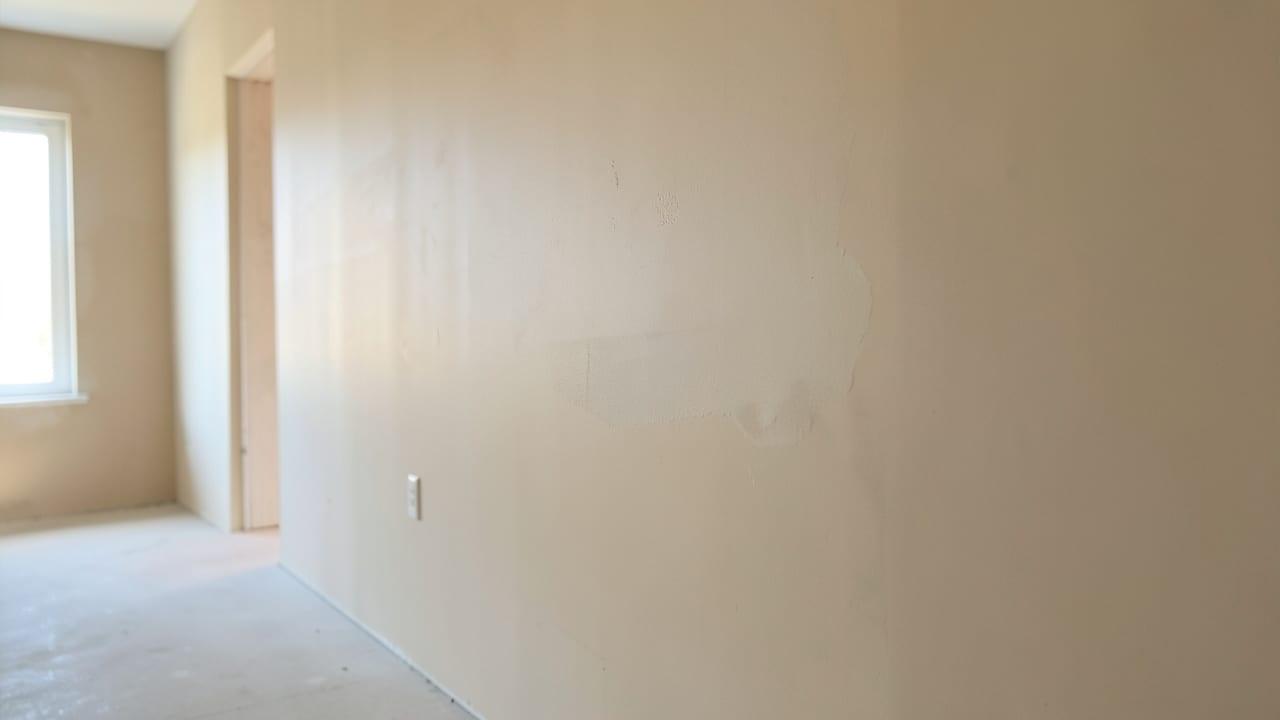
Drywall Mold Remediation in Ellington, CT
Professional removal and treatment of mold growth behind or on drywall surfaces.
Learn More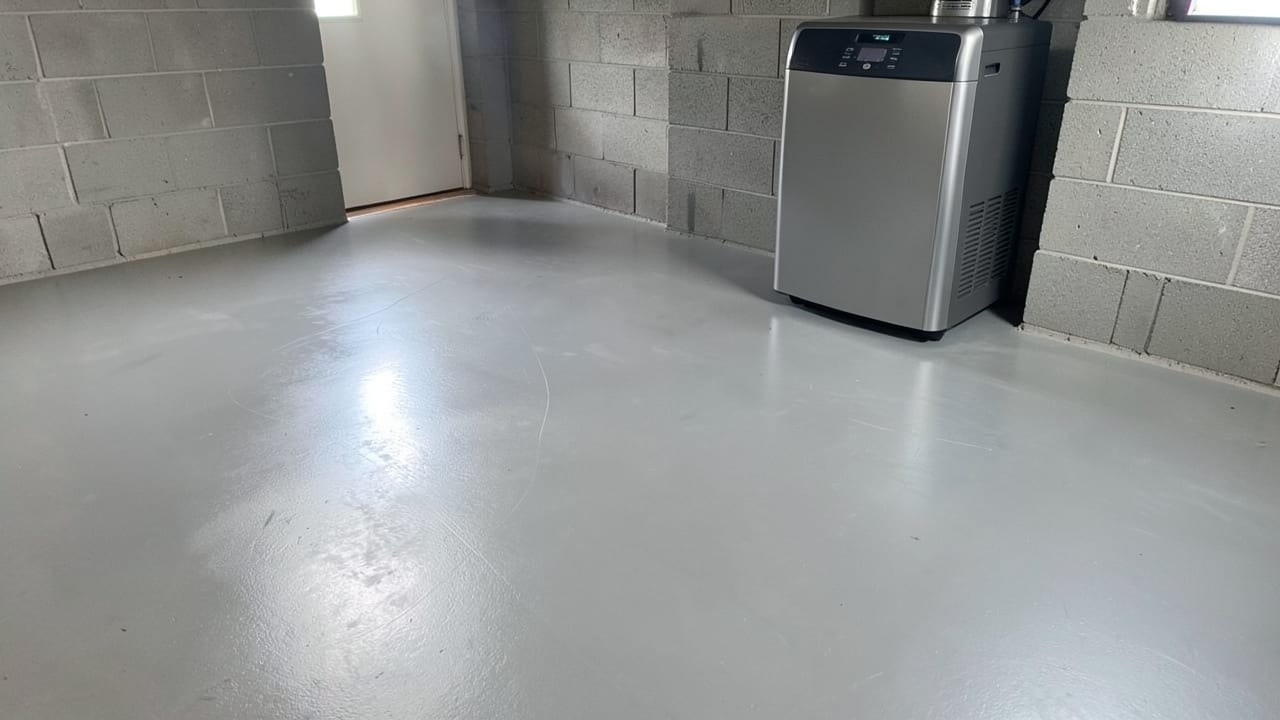
Concrete Mold Remediation in Ellington, CT
Professional removal and treatment of mold from concrete surfaces in homes.
Learn More
Garage Mold Removal in Ellington, CT
Professional assessment and removal of mold growth in garages to restore a safe, clean space.
Learn More
Laundry Room Mold Cleanup in Ellington, CT
Professional mold removal and remediation in laundry rooms to restore a safe, clean space.
Learn More
Plaster Mold Remediation in Ellington, CT
Professional removal and treatment of mold from plaster surfaces in homes.
Learn MoreCommon Questions About Mold Remediation in Ellington
Everything you need to know about mold remediation services in Ellington
How much does Vinyl Flooring Mold Treatment typically cost in Ellington, CT?
Why does Ellington, CT's humidity make mold a bigger risk than in drier regions?
Does homeowners insurance typically cover mold remediation?
Is black mold actually more dangerous than other mold types?
How long does a typical mold remediation job take?
Is it safe to stay in the home during mold remediation?
Need Mold Remediation in Ellington?
Connect with local providers in Ellington for a detailed quote.
⏰ We answer your call • Serving all of Ellington and surrounding areas