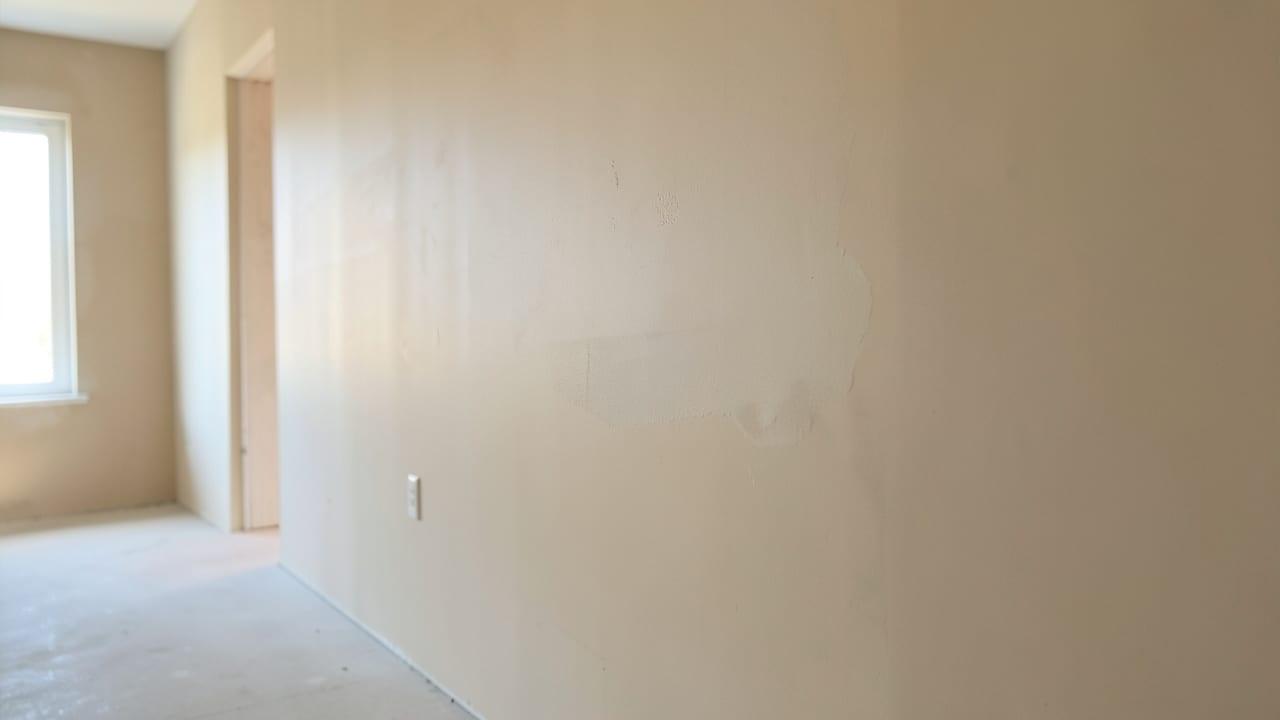
Drywall Mold Remediation
Professional removal and treatment of mold growth behind or on drywall surfaces.
Drywall mold remediation in Ellington, CT addresses hidden mold growth by safely removing contaminated drywall and restoring affected areas. This process prevents spore spread, eliminates regrowth sources, and ensures proper drying before sealing the space.
Homeowners often need this service when mold covers more than a small patch or keeps returning after cleaning.
We also handle Laundry Room Mold Cleanup and Plaster Mold Remediation for Ellington properties.
When to call for drywall mold remediation
Mold on drywall often starts small but can spread quickly if left untreated. Look for visible stains, peeling wallpaper, or a musty odor in rooms like bathrooms, basements, or kitchens—common areas where moisture lingers.
If mold covers more than a few square feet or keeps returning after cleaning, it’s time to consider professional remediation.
Hidden mold behind walls or under flooring often signals a deeper issue. A strong musty smell that worsens when the HVAC runs or mold that reappears after treatment suggests moisture problems that need addressing. Ignoring these signs can lead to structural damage and health concerns over time.
Signs You Need Drywall Mold Remediation
- Mold covers more than a small, isolated patch (typically over 25 square feet).
- Mold keeps returning in the same spot after cleaning or treatment.
- A musty odor persists in a room with no visible mold, especially when HVAC is on.
- Wallpaper or paint is peeling, bubbling, or discolored in damp areas.
- You notice condensation or water stains on ceilings, walls, or floors.
What affects cost and timing?
The size of the affected area is the biggest factor in pricing and duration. A single room with surface-level mold typically costs between $530 and $2,130, but hidden mold or black mold (Stachybotrys) can increase costs by 15-25%.
Remediation also depends on whether moisture sources like leaks or poor ventilation are fixed during the process.
Containment, HEPA filtration, and clearance testing add time and cost but are essential for preventing spore spread and ensuring the job is thorough. Skipping these steps can lead to incomplete remediation and recurring mold issues. Always confirm whether a quote includes inspection, testing, and post-remediation verification.
What to expect during remediation
Professional drywall mold remediation follows strict protocols to contain spores and prevent spread. The process includes sealing the work area, removing contaminated materials, and treating non-porous surfaces. Industrial drying equipment ensures the space is fully moisture-free before containment is removed.
Clearance testing by an independent lab confirms spore levels are back to normal before the area is considered finished. This step is critical to verify the job was effective, though it’s often priced separately from the main remediation work.
Using standard shop vacuums or non-HEPA air scrubbers recirculates spores instead of capturing them. Skipping containment or clearance testing can leave hidden mold active, leading to regrowth. Always verify a contractor follows IICRC S520 standards, even though Connecticut does not enforce this as a legal requirement.
How drywall mold remediation works
This process safely removes contaminated drywall and restores affected areas while preventing spore spread.
- 1Containment Setup
Plastic sheeting and negative-air machines seal the work area to trap spores. This step prevents contamination from spreading to other parts of the home during removal.
- 2Material Removal
Porous materials like drywall and insulation are cut out and bagged inside containment. Non-porous surfaces are scrubbed and treated instead of discarded.
- 3HEPA Filtration and Cleanup
HEPA air scrubbers run continuously, and surfaces are vacuumed with HEPA-filtered equipment to capture spores. This ensures spores are not released back into the air.
- 4Structural Drying
Industrial dehumidifiers and air movers dry framing and subfloors to normal moisture levels. This step prevents mold from regrowing on damp materials.
- 5Clearance Testing
An independent lab tests air or surfaces post-remediation to confirm spore levels are within normal ranges before containment is removed.
Frequently asked questions
How do I know if my mold problem is serious enough to need professional remediation?
If mold covers more than a small patch (typically over 25 square feet), keeps returning after cleaning, or you notice a musty odor with no visible source, it’s likely time for professional help. Hidden mold behind walls or under flooring also signals a deeper issue.
Will my insurance cover drywall mold remediation?
Some homeowners’ policies cover mold damage if it’s sudden and accidental, like a burst pipe. However, gradual issues (e.g., long-term leaks) are often excluded. Check your policy or contact your insurer to confirm coverage before proceeding.
How long does the remediation process take?
The timeline depends on the size of the affected area and whether moisture sources need fixing. A single room typically takes 1–3 days for removal, drying, and testing. Containment and clearance testing add extra time but are essential for thorough results.
Can I paint over mold to fix the problem?
Painting over mold only covers the visible signs but doesn’t address the underlying issue. Mold grows into porous materials like drywall, so sealing it without removal often leads to regrowth. Professional remediation ensures the source is eliminated.
See South Coventry, CT for more, or explore every option available in Ellington by neighborhood for our complete lineup.
Ready to get started?
Talk to a local mold remediation pro in Ellington — get a written quote.
Other Mold Remediation Services in Ellington
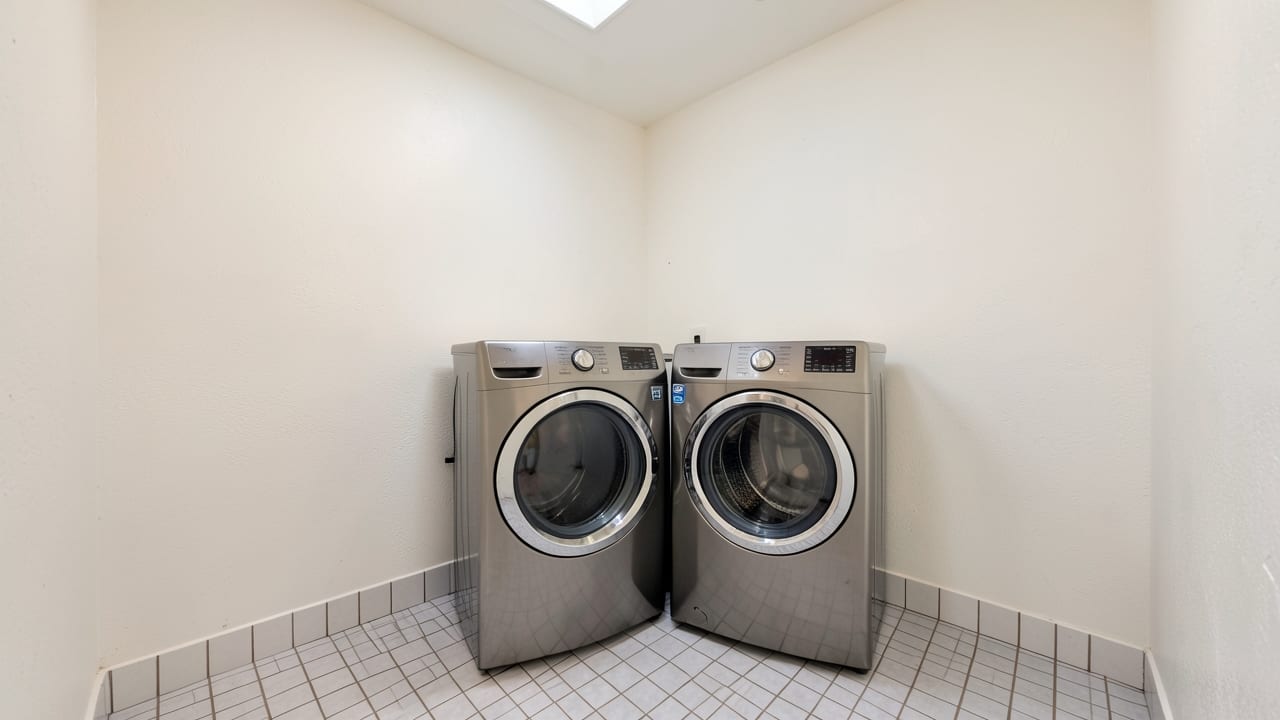
Laundry Room Mold Cleanup in Ellington, CT
Professional mold removal and remediation in laundry rooms to restore a safe, clean space.
Learn More
Plaster Mold Remediation in Ellington, CT
Professional removal and treatment of mold from plaster surfaces in homes.
Learn More
Sewer Backup Mold Cleanup in Ellington, CT
Professional cleanup of mold caused by sewer backups in homes.
Learn More
Pipe Leak Mold Removal in Ellington, CT
Professional removal of mold caused by pipe leaks in homes.
Learn More
Roof Leak Mold Remediation in Ellington, CT
Professional removal of mold caused by roof leaks to restore a safe, healthy home environment.
Learn More
Apartment Mold Remediation in Ellington, CT
Professional mold removal and remediation for apartments to restore safe living conditions.
Learn MoreCommon Questions About Mold Remediation in Ellington
Everything you need to know about mold remediation services in Ellington
How much does Drywall Mold Remediation typically cost in Ellington, CT?
Why does Ellington, CT's humidity make mold a bigger risk than in drier regions?
Is black mold actually more dangerous than other mold types?
How long does a typical mold remediation job take?
Is it safe to stay in the home during mold remediation?
Can small mold problems be handled without hiring anyone?
Need Mold Remediation in Ellington?
Connect with local providers in Ellington for a detailed quote.
⏰ We answer your call • Serving all of Ellington and surrounding areas