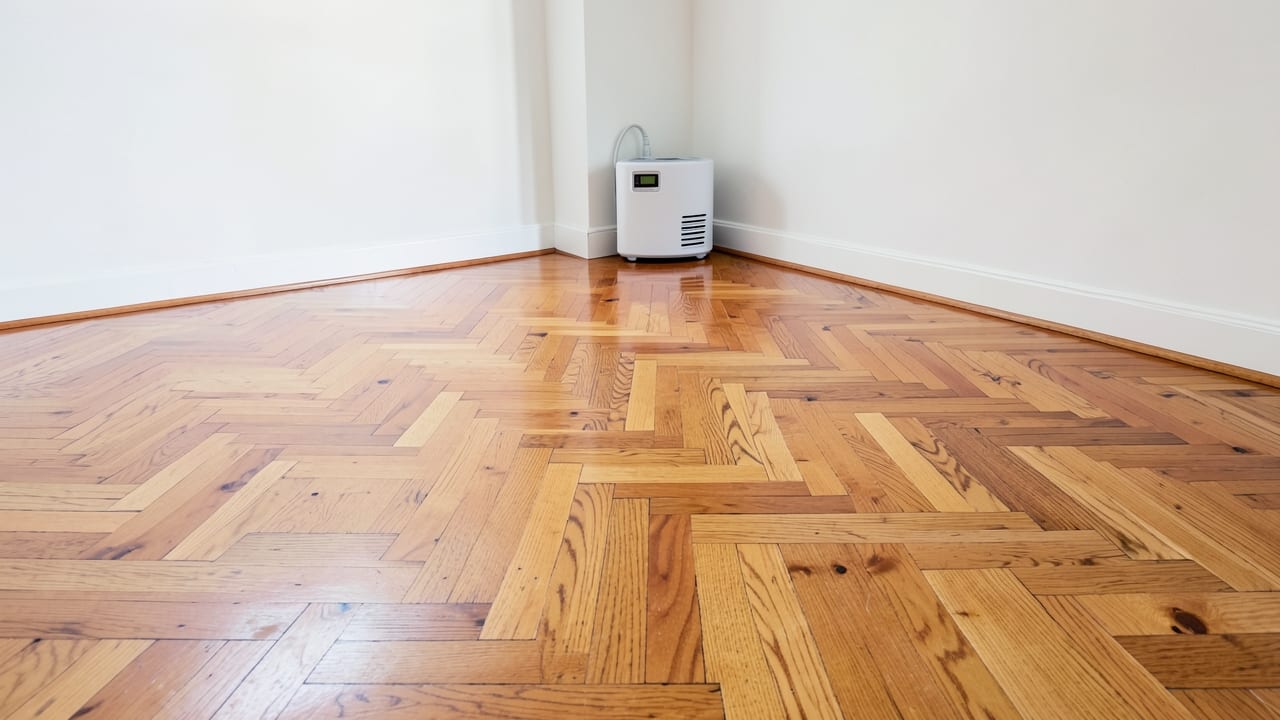
Pet Urine Mold Treatment
Professional removal of mold caused by pet urine in homes, including assessment and treatment.
Pet urine mold in Ellington, CT homes often hides beneath carpets, inside walls, or under flooring, creating a persistent musty smell and health risks.
Specialized remediation targets these hidden growths with containment, removal of affected materials, and moisture control to help prevent regrowth—critical for homes with pets or past urine damage.
We also handle Plaster Mold Remediation and Sewer Backup Mold Cleanup for Ellington properties.
When pet urine mold needs professional treatment
Pet urine mold in Ellington homes often starts small but can spread quickly if moisture and organic waste remain. A single patch larger than 25 square feet—or regrowth after cleaning—typically means the problem requires professional containment, removal, and moisture control.
Hidden growth, like under hardwood or in ductwork, often reveals itself through persistent odors or visible stains that reappear.
DIY cleaning may temporarily mask the issue, but without fixing the moisture source or removing contaminated porous materials, mold returns. Professional remediation follows strict protocols to isolate spores, remove affected materials, and dry structural components to help prevent recurrence.
Signs Professional Treatment May Be Needed
- Mold covers more than a small, isolated patch (25+ sq ft of contiguous growth).
- The musty smell lingers even after cleaning carpets or furniture.
- Visible stains or discoloration return within months after cleaning.
- The odor worsens when HVAC runs, suggesting ductwork contamination.
What affects pricing and timeline for pet urine mold work
Pricing for pet urine mold treatment in Ellington varies based on the scope of contamination, materials involved, and whether specialty treatments (like enzymatic odor control) are needed. Most providers quote per project rather than by the hour, as they must assess containment needs, material removal, and structural drying on-site.
Hidden growth—such as behind walls or under subflooring—often increases costs due to additional labor and demolition.
Timelines depend on containment setup, material removal, drying periods, and clearance testing. A standard job may take 2–5 days, while complex cases (e.g., extensive subfloor or ductwork involvement) can extend to a week or more. Post-remediation humidity checks and periodic inspections help monitor for early recurrence.
Why containment and testing matter
During remediation, plastic sheeting and negative-air machines create a sealed workspace to prevent spores from spreading to unaffected areas. Without proper containment, disturbed mold can circulate through HVAC systems or settle in other rooms, turning a small job into a larger, costlier cleanup.
HEPA air scrubbers and vacuums further reduce airborne spores during removal, while industrial dehumidifiers ensure structural materials dry completely before the space is reopened.
Clearance testing by an independent lab confirms spore counts return to normal levels. Skipping this step leaves no objective proof the job addressed the full scope of contamination. In Connecticut, while no dedicated mold license exists, contractors must register with the Department of Consumer Protection under home improvement laws.
| Step | Why It’s Critical |
|---|---|
| Containment setup | Prevents spores from spreading to clean areas during removal. |
| HEPA air scrubbing | Captures spores stirred up during demolition (standard filters don’t). |
| Structural drying | Mold regrows on damp materials even after visible traces are gone. |
| Clearance testing | Confirms spore levels are back to normal before the space is used. |
How pet urine mold remediation works
This process isolates contamination, removes affected materials, and restores moisture balance to help prevent regrowth.
- 1Containment
Plastic sheeting and negative-air machines seal the work area to trap spores during removal, preventing them from migrating to other rooms or through HVAC ducts.
- 2Material Removal
Porous materials (carpet padding, drywall, insulation) that absorb mold are cut out and bagged, while non-porous surfaces (tile, framing) are scrubbed and treated to kill remaining spores.
- 3Structural Drying
Industrial dehumidifiers and air movers reduce moisture in framing and subflooring to normal levels, as mold regrows on damp surfaces even after visible traces are removed.
- 4Clearance Testing
An independent lab tests air or surfaces post-remediation to verify spore counts are within normal ranges before containment is removed.
- 5Moisture Source Fix
Addressing leaks, condensation, or grading issues that caused the mold helps prevent recurrence, though results depend on the underlying cause being resolved.
Frequently asked questions
Can I clean pet urine mold myself, or should I call a professional?
Small, isolated patches (under 25 sq ft) may respond to deep cleaning and enzymatic treatments, but hidden growth, regrowth, or musty odors suggest professional remediation is needed to isolate spores and remove contaminated materials safely.
How long does the remediation process take for a typical Ellington home?
Most jobs take 2–5 days, depending on containment setup, material removal, and drying time. Complex cases—like extensive subfloor or ductwork involvement—may require a week or more to complete.
Will my insurance cover pet urine mold treatment?
Homeowners insurance typically covers mold damage from sudden events (like leaks), but pet urine-related mold is often considered preventable. Check your policy for exclusions and document the issue with photos before contacting your provider.
What should I do to prevent mold from coming back after treatment?
Fix any moisture sources (leaks, poor ventilation, or grading issues), use dehumidifiers in persistently damp rooms, and monitor humidity levels in treated areas for the first year to catch early recurrence.
See Manchester, CT for more, or see our full crew's Ellington services for our complete lineup.
Ready to get started?
Talk to a local mold remediation pro in Ellington — get a written quote.
Other Mold Remediation Services in Ellington
Plaster Mold Remediation in Ellington, CT
Professional removal and treatment of mold from plaster surfaces in homes.
Learn More
Sewer Backup Mold Cleanup in Ellington, CT
Professional cleanup of mold caused by sewer backups in homes.
Learn More
Pipe Leak Mold Removal in Ellington, CT
Professional removal of mold caused by pipe leaks in homes.
Learn More
Roof Leak Mold Remediation in Ellington, CT
Professional removal of mold caused by roof leaks to restore a safe, healthy home environment.
Learn More
Apartment Mold Remediation in Ellington, CT
Professional mold removal and remediation for apartments to restore safe living conditions.
Learn More
Warehouse Mold Cleanup in Ellington, CT
Professional removal of mold from warehouse spaces to restore safe, clean conditions.
Learn MoreCommon Questions About Mold Remediation in Ellington
Everything you need to know about mold remediation services in Ellington
How much does Pet Urine Mold Treatment typically cost in Ellington, CT?
Why does Ellington, CT's humidity make mold a bigger risk than in drier regions?
How long does a typical mold remediation job take?
Is it safe to stay in the home during mold remediation?
Can small mold problems be handled without hiring anyone?
What's the actual difference between mold removal and mold remediation?
Need Mold Remediation in Ellington?
Connect with local providers in Ellington for a detailed quote.
⏰ We answer your call • Serving all of Ellington and surrounding areas